
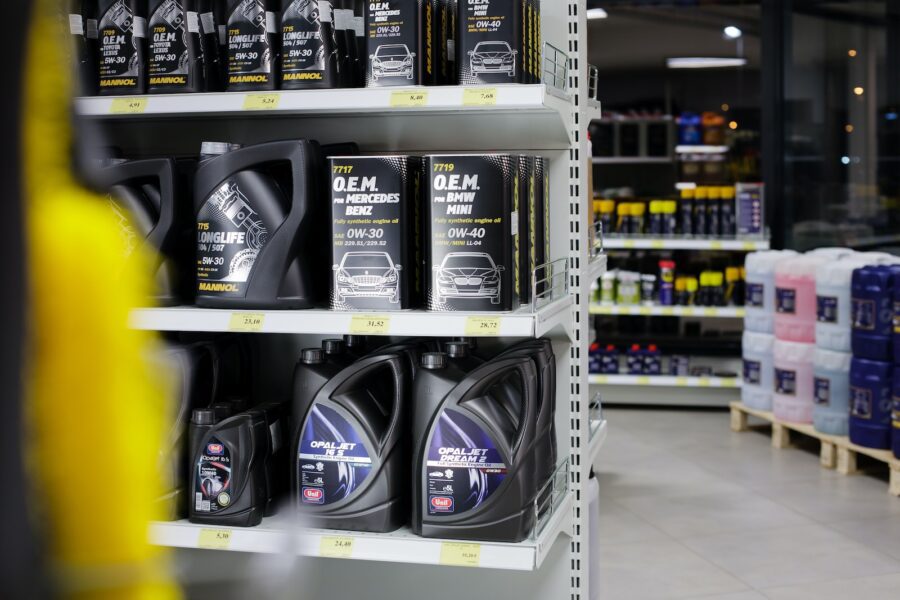
Your Engine Is The Heart Of Your Car
Millions of people run a diesel car every year and have done so for well over 30 years. There are a few issues with diesel engined cars that many do not seem to know much about until the dreaded DPF warning light comes on in the dashboard, or limp mode comes into play when you are driving along the road or just signs that your fuel economy is getting higher and higher.
These things need to be addressed urgently before your DPF filter becomes blocked and needs professional help. This could cost THOUSANDS instead of a few pounds from a simple cleaning process that you can do yourself.
DPFs Need A CERTAIN TYPE Of Oil
Since the creation of Diesel Particulate Filters (DPFs) and Gasoline Particulate Filters (GPFs), low-SAPS oils have gained immense popularity.
Diesel Particulate Filters (DPF) are designed to reduce the amount of particulate matter (soot) in diesel engine exhaust. To help keep the DPF clean and functioning properly, it’s essential to use the correct engine oil. This will stop any DPF engine damage that could occur using the wrong oil type.
Here are a few tips on choosing the right engine oil for your diesel engine:
- Low SAPS oil: Select a low Sulfated Ash, Phosphorus, and Sulfur (SAPS) engine oil. These oils contain fewer metal additives that can block the DPF and lead to increased soot accumulation.
- ACEA specification: Check your vehicle’s owner manual for the appropriate ACEA (Association des Constructeurs Européens d’Automobiles) specification. Generally, diesel engines with DPF should use engine oils that meet the ACEA C-class specifications, such as ACEA C1, ACEA C2, ACEA C3, ACEA C4, or ACEA C5. These oils are specifically designed for compatibility with DPF systems.
- OEM recommendations: Always follow the vehicle manufacturer’s oil viscosity and performance level recommendations. This information can typically be found in the owner’s manual or on a sticker under the hood or engine.
- Regular oil changes: Stick to your vehicle’s recommended oil change intervals, as specified in the owner’s manual. Regular oil changes will help keep the DPF clean and maintain optimal engine performance.
Remember that each vehicle’s requirements vary, so always refer to your owner’s manual or consult a professional mechanic to determine the best engine oil for your diesel engine with a DPF.
Choosing The Right Type Of Oil
The oil specified for diesel engines with Diesel Particulate Filters (DPF) usually has low Sulfated Ash, Phosphorus, and Sulfur (SAPS) content to prevent filter clogging.
These oils are designed for compatibility with DPF systems and are formulated to reduce the build-up of particulate matter in the filter.
Typically, engine oils for DPF-equipped diesel engines meet ACEA (Association des Constructeurs Européens d’Automobiles) C-class specifications.
The most common ACEA C specifications are:
- ACEA C1: Low SAPS oil with low High-Temperature High-Shear (HTHS) viscosity for fuel economy. Suitable for some Ford, Mazda, and Jaguar diesel engines with DPF.
- ACEA C2: Low SAPS oil with low HTHS viscosity, providing fuel economy and reduced CO2 emissions. Recommended for some European and Asian car manufacturers, including PSA (Peugeot and Citroën) and Honda.
- ACEA C3: Low SAPS oil with higher HTHS viscosity, offering extended drain intervals and improved engine protection. Commonly recommended for Volkswagen, BMW, Mercedes-Benz, and GM vehicles with DPF.
- ACEA C4: Low SAPS oil with specific requirements for Renault diesel engines with DPF.
- ACEA C5: Low SAPS oil with low HTHS viscosity, providing improved fuel economy and performance compared to ACEA C3 oils. Suitable for some modern European diesel engines with DPF.
Following the vehicle manufacturer’s recommendations for oil viscosity and performance level is essential, as these can vary depending on the specific engine and vehicle.
You can find this information in your vehicle’s owner’s manual or consult with a professional mechanic to determine the best engine oil for your specific diesel engine with a DPF.
Choose A Popular Oil
Most major oil and lubricant manufacturers produce low-sulfate oils for diesel engines.
Some of the well-known companies include:
- Shell: Shell offers a range of low-sulfate diesel engine oils under their Rotella and Rimula product lines.
- Mobil: Mobil, part of ExxonMobil, produces diesel engine oils with low sulfate levels under their Mobil Delvac product line.
- Castrol: Castrol offers a range of low-sulfate diesel engine oils under their Vecton and CRB product lines.
- Chevron: Chevron produces low-sulfate diesel engine oils under their Delo product line.
- Valvoline: Valvoline offers low-sulfate diesel engine oils under their Premium Blue and All Fleet product lines.
- Total: Total produces low-sulfate diesel engine oils under their Rubia and Quartz product lines.
- BP: BP manufactures low-sulfate diesel engine oils under their Vanellus product line.
These are just a few examples of the many companies that manufacture low-sulfate oils for diesel engines. It’s essential to choose a reputable brand and ensure that the selected oil meets the necessary specifications for your vehicle, as indicated in the owner’s manual or by the manufacturer.
Conclusion
In conclusion, low sulfate oils play a crucial role in maintaining the efficiency and longevity of modern diesel engines, particularly those equipped with advanced emission control systems.
Several leading oil and lubricant manufacturers produce low-sulfate diesel engine oils, including Shell with their Rotella and Rimula product lines, Mobil under their Mobil Delvac line, and Castrol with their Vecton and CRB lines.
When selecting an oil, it’s important to choose a reputable brand and ensure that the product meets the required specifications for your vehicle, as stated in the owner’s manual or by the manufacturer.
Low-sulfate oils can reduce harmful emissions, protect engine components, and maintain optimal performance.