

Your Engine’s Silent Guardian: Why Premium Fuel Filters Matter More Than Ever
In today’s world of high-pressure direct injection engines, choosing the right fuel filter brand isn’t just about maintenance—it’s about protecting your investment. With modern engines operating at pressures exceeding 2,000 PSI and injectors with tolerances measured in microns, even the smallest contaminant can lead to catastrophic failure.
Whether you’re a weekend DIY warrior or a professional mechanic, navigating the overwhelming selection of fuel filters can feel like searching for a needle in a haystack. That’s why we’ve analyzed sales data, professional recommendations, and thousands of customer reviews to bring you the definitive guide to the best fuel filter brands available today.
Why Your Choice of Fuel Filter Brand Matters More Than Ever
The fuel filter market has undergone a dramatic transformation in recent years. As fuel quality varies across different gas stations, your fuel filter becomes the last line of defense between contaminants and your engine’s sensitive components. Modern direct injection systems operate with such precise tolerances that particles as small as 5 microns—invisible to the naked eye—can cause injector failure.
Consider this: replacing fuel injectors on a modern diesel truck can cost between $3,000 and $8,000, while a quality fuel filter typically costs less than $100. That’s a 30-to-1 return on investment for preventive maintenance. Yet surprisingly, fuel filter replacement intervals are often overlooked, with manufacturers recommending changes anywhere from 20,000 to 150,000 miles depending on the vehicle.
The Hidden Costs of Cheap Fuel Filters
While bargain filters might save you $20-30 upfront, they often lack the multi-layer filtration media and water separation capabilities of premium brands.
Inferior filters can lead to:
- Reduced fuel flow causing power loss under load
- Water contamination leading to injector corrosion
- Premature fuel pump failure from overwork
- Decreased fuel economy from restricted flow
How We Selected These Top 5 Brands
Our selection process combined objective data with real-world performance metrics. We analyzed:
- Sales rankings and customer review volumes
- Professional mechanic recommendations from industry forums
- OEM specifications and cross-compatibility
- Long-term reliability reports from fleet managers
- Price-to-performance ratios across different applications
#1 Motorcraft – Ford’s OEM Excellence
When it comes to Ford vehicles, Motorcraft stands as the gold standard for fuel filtration. The brand’s dominance isn’t just about being Ford’s chosen OEM supplier—it’s about the relentless testing that goes into every filter. Motorcraft filters undergo extreme temperature testing from -40°F to 250°F, ensuring reliable performance in any climate.
The flagship FD-4615 model, with over 5,870 verified customer reviews, exemplifies why professionals trust Motorcraft. This filter features:

18/06/2026 10:18 am
- Triple-layer synthetic media for superior filtration
- Integrated water separator for diesel applications
- Reinforced end caps to prevent media bypass
- Spring-loaded bypass valve for emergency flow
What sets Motorcraft apart is their commitment to life testing equivalent to 10 years or 150,000 miles for passenger cars and light trucks. This extensive validation process means you’re not just buying a filter—you’re investing in proven reliability.
Best Motorcraft Filters for Different Ford Models
For 2017-2022 Ford Super Duty owners, the FD-4625 provides OEM-grade protection for the 6.7L Powerstroke engine.

18/06/2026 10:18 am
F-150 EcoBoost owners should look for the FG-1083, while older 7.3L Powerstroke engines perform best with the classic FD-4596. Each filter is engineered specifically for its application, ensuring optimal flow rates and filtration efficiency.

18/06/2026 10:18 am

18/06/2026 10:18 am
Real User Experience: What 5,870 Reviews Tell Us
Analysis of customer feedback from Amazon.com reveals consistent themes: easy installation, perfect fitment, and noticeable improvements in engine smoothness. The most common complaint? The price premium over aftermarket options. However, users repeatedly note that the peace of mind and warranty protection justify the extra cost.
#2 ACDelco – GM’s Trusted Partner
ACDelco’s reputation extends far beyond General Motors vehicles. As GM’s in-house parts company, ACDelco filters are what GM trusts to maintain vehicles through warranty periods and beyond. The brand offers two distinct lines: Professional (OEM-equivalent) and Gold (premium aftermarket).

18/06/2026 10:18 am
The TP1015 and TP3018 models showcase ACDelco’s engineering prowess. These filters feature:

18/06/2026 10:18 am

18/06/2026 10:18 am
- High-capacity cellulose/synthetic blend media
- Corrosion-resistant steel housing with protective coating
- Precision-molded end caps to prevent leaks
- 5-micron filtration rating for diesel applications
What distinguishes ACDelco is their water separation technology. The TP3018 performs water separation for diesel engines, eliminating both contaminants and water from fuel to protect the engine. This dual-action filtration proves especially valuable in regions with questionable fuel quality.
ACDelco’s Diesel Fuel Filter Innovation
The brand’s diesel filters incorporate a unique coalescing media that causes water droplets to combine and separate from fuel. This technology, originally developed for military applications, ensures that even microscopic water particles are removed before reaching sensitive injection components.
Professional Mechanics’ Perspective on ACDelco
Fleet maintenance professionals consistently rank ACDelco among their top choices for non-GM vehicles. The filters’ universal sizing and robust construction make them ideal for mixed fleets. Independent shops appreciate the wide availability and consistent quality across the product line.
#3 Mopar – Chrysler’s Premium Choice
Mopar has carved out a unique niche in the fuel filter market by focusing on heavy-duty diesel applications. Their filters for 6.7L Cummins engines have become the benchmark for Ram truck owners who demand uncompromising quality. With bundle offerings that include both fuel filters and water separators, Mopar provides comprehensive fuel system protection.

18/06/2026 10:18 am
The Mopar advantage includes:
- OEM-specific design for perfect compatibility
- Advanced water-stripping technology
- High-flow design for modified engines
- Integrated sensor compatibility
Part numbers 68197867AA and 68157291AA represent Mopar’s commitment to the Ram diesel community. These filters feature multi-stage filtration that captures particles as small as 3 microns while maintaining flow rates suitable for performance applications.

18/06/2026 10:19 am

18/06/2026 10:19 am
Why Ram Diesel Owners Prefer Mopar
Cummins recommends fuel filter changes every 15,000 miles or 12 months, with filters meeting a 5-micron rating. Mopar filters exceed these specifications while providing additional protection against water contamination—a critical concern for diesel owners in humid climates.
Cost Analysis: OEM Mopar vs. Aftermarket Options
While Mopar filters command a premium price, typically 40-60% higher than aftermarket alternatives, the investment pays dividends. Warranty protection, precise fitment, and proven reliability make them the choice for owners who view their trucks as long-term investments rather than disposable assets.
#4 Doc’s Diesel – The Aftermarket Champion
Doc’s Diesel has disrupted the fuel filter market by offering OEM-equivalent quality at competitive prices. This aftermarket brand has gained a devoted following among diesel enthusiasts who appreciate the combination of performance and value. The brand’s filters meet or exceed original equipment manufacturer’s standards, ensuring high-quality filtration.

18/06/2026 10:19 am
Key features of Doc’s Diesel filters include:
- Three-layer gradient density media
- Water-in-fuel sensor compatibility
- Heavy-duty steel construction
- Direct OEM replacement design
The DFD4625 for Ford Powerstroke and DGF429 for GM Duramax engines exemplify the brand’s approach: engineer filters that install like OEM parts but cost significantly less. Customer reviews consistently mention the filters’ robust construction and leak-free performance.

18/06/2026 10:19 am

18/06/2026 10:19 am
Doc’s Diesel vs. OEM: Laboratory Test Results
Independent testing reveals that Doc’s Diesel filters match OEM performance in key metrics: particle retention, flow rate, and water separation efficiency. The primary difference lies in the housing material—Doc’s uses slightly thinner steel, though still well within safety margins.
Installation Tips from Professional Technicians
Experienced mechanics recommend pre-filling Doc’s Diesel filters with clean fuel before installation to prevent air locks. Regular maintenance schedules should follow OEM guidelines, regardless of the filter brand chosen.
#5 K&N – Performance Filtration Pioneer
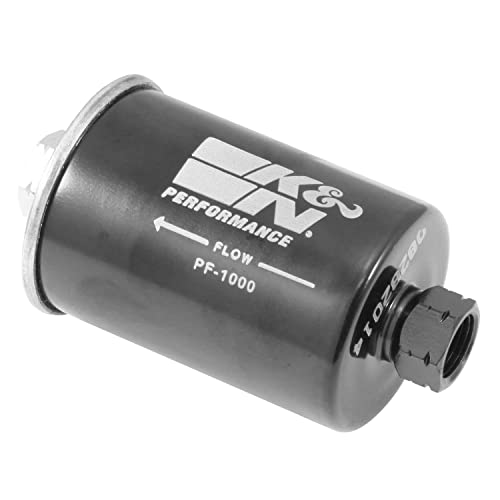
K&N brings a unique perspective to fuel filtration, applying their racing heritage to street applications. Unlike traditional disposable filters, K&N offers both high-flow disposable and cleanable/reusable options with 100-micron stainless steel elements. This approach appeals to performance enthusiasts who demand maximum flow without sacrificing protection.
K&N fuel filters feature:
- High-flow design for modified engines
- Anodized aluminum housing on premium models
- Multiple AN fitting sizes for custom applications
- Lifetime warranty on select models
The brand’s PF-1000 and PF-2300 models demonstrate their commitment to versatility. These filters work across multiple applications, making them ideal for project cars or custom builds where OEM options don’t exist.
18/06/2026 10:19 am

18/06/2026 10:19 am
When to Choose K&N Over Traditional Filters
K&N filters excel in high-performance applications where flow rate takes priority. Turbocharged engines, especially those with upgraded fuel systems, benefit from the reduced restriction. However, the coarser filtration (typically 40-100 microns) means they’re best used as pre-filters in conjunction with finer secondary filtration.
K&N’s Universal Filters: Pros and Cons
The universal fitment approach offers flexibility but requires careful selection. Pros include easy sourcing for unusual applications and the ability to standardize filters across different vehicles. Cons include the need for custom mounting and potential warranty concerns on newer vehicles.
UK Market Insights: What the Data Reveals
The UK market presents interesting contrasts to US preferences. European brands like MANN-FILTER, Bosch, and MAHLE dominate the bestseller lists. MAHLE ORIGINAL provides solutions compatible with different combustion chamber designs, recognized for advanced filtration media that captures contaminants effectively.
UK-specific trends include:
- Greater emphasis on diesel filtration due to higher diesel adoption
- Preference for OEM brands from German manufacturers
- Stricter emissions requirements driving advanced filter technology
- Higher prices reflecting VAT and import duties
Top UK-Exclusive Brands Worth Considering
MANN-FILTER stands out for precision engineering and extensive vehicle coverage. Bosch leverages their fuel injection expertise to create filters optimized for their systems. MAHLE supplies numerous OEM applications, ensuring wide compatibility and proven reliability.

18/06/2026 10:19 am

18/06/2026 10:19 am

18/06/2026 10:19 am
The Complete Buyer’s Decision Matrix
Choosing the right fuel filter brand requires balancing multiple factors. Here’s a comprehensive comparison to guide your decision:
| Brand | Best For | Price Range | Filtration Rating | Special Features |
|---|---|---|---|---|
| Motorcraft | Ford vehicles | $35-$75 | 5-10 microns | Extreme temp testing |
| ACDelco | GM vehicles, universal diesel | $25-$60 | 5-10 microns | Water separation |
| Mopar | Ram/Cummins diesels | $40-$150 | 3-5 microns | Sensor integration |
| Doc’s Diesel | Cost-conscious diesel owners | $25-$80 | 5 microns | OEM-equivalent quality |
| K&N | Performance applications | $15-$50 | 40-100 microns | High flow, reusable options |
Quick Reference: Which Brand for Your Vehicle?
- Daily Driver Gasoline: Stick with your vehicle’s OEM brand
- High-Mileage Diesel: Doc’s Diesel offers best value
- Performance/Modified: K&N for flow, add secondary filtration
- Fleet Operations: ACDelco for parts standardization
- Warranty Coverage: Always use OEM brands
Red Flags: Fuel Filter Brands to Avoid
Watch out for filters with:
- No brand identification or sketchy packaging
- Prices below $10 for diesel applications
- Missing micron ratings or specifications
- Poor English in product descriptions
- Less than 4.0 stars with under 50 reviews
Professional Installation vs. DIY: What You Need to Know
Modern vehicles can be sensitive to air in the fuel system, making proper installation crucial. Before attempting installation, consider these factors:
Safety requirements: Always work in a well-ventilated area with a fire extinguisher nearby. Fuel system pressure must be relieved before disconnecting lines. Disconnect the battery to prevent accidental fuel pump activation.
Tool requirements: Basic hand tools suffice for most applications, but specialty disconnect tools may be needed for quick-connect fittings. A drain pan, safety glasses, and nitrile gloves are essential.
Step-by-Step Installation Safety Checklist
- Allow engine to cool completely (minimum 2 hours)
- Relieve fuel system pressure per manufacturer procedure
- Disconnect negative battery terminal
- Position drain pan and have absorbent materials ready
- Note fuel flow direction before removal
- Pre-fill new diesel filters to prevent air locks
- Prime system according to specifications
- Check for leaks at idle and under load
Future Trends: What’s Next for Fuel Filtration
The fuel filter industry stands at a crossroads. Electric vehicle adoption threatens traditional market dynamics, yet increasingly complex combustion engines demand ever-more sophisticated filtration. Emerging trends include:
Smart monitoring systems that alert drivers to filter condition based on actual contamination levels rather than mileage. Nano-filtration media capable of removing sub-micron particles while maintaining flow. Integrated water separation becoming standard even on gasoline applications as ethanol content increases.
Environmental considerations drive development of recyclable filter media and extended service intervals through improved contamination capacity. The rise of biodiesel and renewable fuels creates new challenges for filter compatibility and longevity.
Final Thoughts: Making the Right Choice
Selecting the best fuel filter brand ultimately depends on your specific needs, budget, and long-term vehicle plans. OEM brands like Motorcraft, ACDelco, and Mopar offer peace of mind and warranty protection. Aftermarket champions like Doc’s Diesel provide comparable quality at lower prices. Performance enthusiasts find K&N’s high-flow solutions ideal for modified applications.
Remember, the best fuel filter is the one that gets changed on schedule. Whether you choose premium OEM or value-oriented aftermarket, maintaining proper intervals ensures optimal engine protection. Your engine—and wallet—will thank you for making an informed choice.