
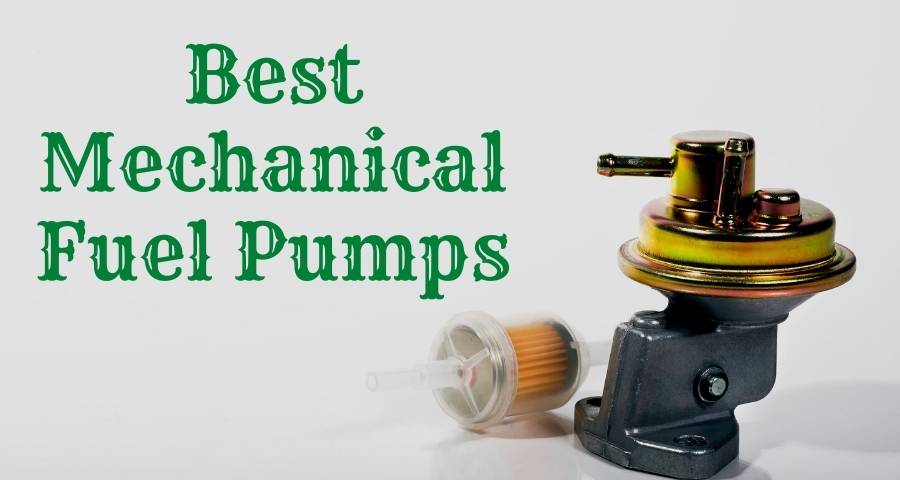
Why Mechanical Fuel Pump Systems Still Dominate Classic Performance Builds
Ready to unlock the true potential of your classic car’s fuel delivery system? While electric pumps dominate modern vehicles, mechanical fuel pump performance remains the gold standard for carbureted engines and vintage performance builds. These time-tested workhorses deliver consistent fuel pressure, operate silently, and provide the reliability that serious gearheads demand. ⚡
The world of automotive fuel delivery has evolved dramatically, yet mechanical fuel pump systems continue to hold their ground in specific applications. Unlike their electric counterparts, mechanical diaphragm fuel pumps operate through direct engine-driven action, creating a foolproof connection between your engine’s needs and fuel delivery.
For enthusiasts working on classic muscle cars, hot rods, or restoration projects, understanding the nuances of heavy duty mechanical fuel pumps can make the difference between a smooth-running engine and constant headaches. These pumps excel in applications where simplicity, durability, and consistent performance matter most.
High Performance Mechanical Fuel Pump Technology Explained
Modern mechanical fuel pump technology has advanced significantly from early designs. Today’s units incorporate precision-engineered components that deliver superior fuel flow rates while maintaining optimal pressure levels. The heart of these systems lies in their diaphragm-driven design, which creates consistent fuel suction and delivery without requiring electrical power.
Automotive mechanical fuel pumps work through a simple yet effective principle: engine camshaft rotation drives a rocker arm that actuates a flexible diaphragm. This creates alternating suction and pressure cycles that draw fuel from the tank and push it toward the carburetor. The beauty of this design lies in its mechanical simplicity – fewer components mean fewer potential failure points.
High-quality units feature precision-cast aluminum housings, heat-treated rocker arms, and advanced polymer diaphragms designed for compatibility with modern fuel blends. These improvements address common issues like ethanol compatibility and extended service life that plagued earlier designs.
Why Mechanical Fuel Pump Reliability Matters for Performance Builds
Mechanical fuel pumps are known for being reliable, quiet, easy, and perfect for older engines with carburetors. This reliability becomes crucial when you’re building a performance engine that needs consistent fuel delivery under varying conditions.
Unlike electric pumps that can fail due to electrical issues, heat buildup, or internal component wear, reliable mechanical fuel pumps derive their power directly from the engine. This direct mechanical connection ensures that fuel delivery scales proportionally with engine speed, providing natural fuel flow matching that electric systems struggle to replicate.
The quiet operation of mechanical fuel pump performance systems also contributes to their appeal. Without electric motors, brushes, or high-frequency switching, these pumps operate virtually silently, preserving the authentic sound experience that classic car enthusiasts cherish.
For builders focusing on quality fuel system components, mechanical pumps offer unmatched longevity when properly maintained. Many original equipment mechanical pumps from the 1960s and 1970s continue operating reliably decades later, testament to their robust design philosophy.
Best Mechanical Fuel Pump Options for Different Applications
Carter M4685 Heavy Duty Mechanical Fuel Pump
The Carter M4685 represents everything enthusiasts love about premium mechanical fuel pumps. This unit features heavy-duty anti-float springs, full-flow valves, and lightweight aluminum castings that deliver exceptional performance across all operating conditions.

19/06/2026 10:50 pm
Key Features:
- Precision-engineered high-speed diaphragm design
- Stamped steel chamber with enlarged diaphragm capacity
- TS16949-certified manufacturing environment
- One-year/12,000-mile warranty coverage
- OEM-spec fitment and reliability standards
Best for: Classic muscle car restorations and daily driver applications requiring proven reliability.
The innovative diaphragm design incorporates a larger capacity chamber that provides superior vapor handling compared to standard units. This addresses one of the primary concerns with mechanical fuel pump systems – vapor lock under extreme heat conditions.
Known limitations: Higher cost compared to basic replacement units, though the premium construction justifies the investment for serious builds.
One satisfied customer noted: “After three electric pump failures in two years, I switched to the Carter M4685. It’s been absolutely bulletproof for over 40,000 miles without a single issue.”
Airtex 40987 High Flow Mechanical Fuel Pump
Airtex has engineered the 40987 to exceed original equipment specifications while providing enhanced durability for modified engines. This pump addresses the common shortcomings of standard mechanical units through advanced materials and improved design elements.

19/06/2026 10:50 pm
Key Features:
- Bottom-fed construction maintains consistent fuel reservoir levels
- Advanced polymer construction resists ethanol fuel blends
- Improved brush and commutator design for enhanced conductivity
- Triple-barb hose fitting for secure connections
- Upgraded dual-inlet design with zone filtration
Best for: Modified engines requiring higher fuel flow rates and improved contamination resistance.
The bottom-fed design ensures consistent fuel delivery even when tank levels run low, addressing a common weakness in standard mechanical pump configurations. Advanced polymer construction provides dimensional stability and erosion resistance when running modern ethanol-blended fuels.
Known limitations: More complex installation compared to direct OEM replacements due to upgraded fittings and connections.
A performance builder commented: “The Airtex 40987 solved my lean condition issues on my modified 350. The increased flow capacity handles my cam and carburetor modifications perfectly.”
Mechanical Fuel Pump Installation Best Practices
Proper installation determines whether your automotive mechanical fuel pump delivers years of reliable service or becomes a source of constant problems. The process requires attention to specific details that differ from electric pump installations.
Critical installation considerations:
- Mounting surface preparation: Ensure the mounting pad is clean, flat, and free from old gasket material
- Gasket selection: Use high-quality gaskets compatible with modern fuel blends
- Torque specifications: Follow manufacturer specifications exactly – over-tightening can distort the pump housing
- Fuel line routing: Maintain proper angles to prevent air pockets and vapor lock
- Fuel filter placement: Install between tank and pump to protect internal components
Mechanical fuel pump troubleshooting often traces back to installation errors. Common issues include gasket leaks from improper torque, reduced flow from kinked fuel lines, and premature wear from contaminated fuel supply.
Professional installers emphasize the importance of priming the system properly before initial startup. Unlike electric pumps that can prime themselves, mechanical units may require manual priming to establish initial fuel flow and prevent dry running damage.
Mechanical Fuel Pump Maintenance for Maximum Longevity
Carter Mechanical Fuel Pumps feature precision castings and rockers help ensure a long life. Advanced polymer pump diaphragms help ensure consistent performance in multiple fuel blends. However, even the best units require regular maintenance to achieve their full service potential.
Essential maintenance intervals:
- Fuel filter replacement: Every 12,000 miles or annually
- Visual inspection: Check for external leaks every 6 months
- Pressure testing: Annual verification of output pressure and flow rate
- Gasket inspection: Replace mounting gaskets every 50,000 miles
- Fuel line inspection: Check for cracks, swelling, or deterioration
Long lasting mechanical fuel pumps benefit from quality fuel and proper filtration. Modern fuels contain additives that can affect pump components over time, making regular filter changes crucial for preventing internal contamination.
The diaphragm represents the most wear-prone component in any mechanical pump. Signs of diaphragm failure include reduced fuel pressure, visible external leaks, and engine performance issues under load. Quality replacement pumps use advanced polymer diaphragms specifically formulated for extended service life with modern fuel formulations.
Performance Mechanical Fuel Pump Upgrades for Modified Engines
Modified engines with performance camshafts, larger carburetors, or forced induction require high flow mechanical fuel pumps that exceed stock specifications. Standard pumps typically flow 35-45 gallons per hour, while performance applications may require 60+ GPH flow rates.
Performance upgrade considerations:
- Flow rate matching: Calculate fuel requirements based on horsepower targets
- Pressure specifications: Ensure adequate pressure for carburetor float bowl management
- Diaphragm materials: Select pumps with alcohol-resistant diaphragms for race fuel compatibility
- Mounting modifications: Some high-flow pumps require mounting pad modifications
- System balancing: Coordinate pump capacity with fuel line sizing and filter selection
Racing mechanical fuel pumps often incorporate specialized features like adjustable pressure settings, external pressure relief, and enhanced cooling capabilities. These features address the extreme demands of competition use where fuel delivery consistency can determine race outcomes.
Builders working with nitrous oxide systems require special attention to fuel delivery capacity. The instantaneous fuel demand spike from nitrous activation can overwhelm standard mechanical pumps, making high-capacity units essential for safe operation.
Mechanical vs Electric Fuel Pump Decision Factors
The choice between mechanical and electric fuel delivery systems depends on specific application requirements and personal preferences. Both move fuel from the tank to the carb, but choosing the correct style fuel pump depends on the needs of each application.
Mechanical pump advantages:
- Zero electrical power consumption
- Proportional flow scaling with engine RPM
- Silent operation without electric motor noise
- Reduced wiring complexity and electrical failure points
- Lower heat generation compared to electric units
Mechanical pump limitations:
- Limited maximum flow rates compared to high-performance electric pumps
- Potential vapor lock issues in extreme heat conditions
- Mounting location restrictions due to mechanical drive requirements
- Difficulty achieving high pressure for fuel injection conversions
For classic car restorations and traditional performance builds, mechanical fuel pump systems often represent the optimal balance of authenticity, reliability, and performance. Modern improvements in materials and manufacturing have addressed many historical limitations while preserving the fundamental advantages that made mechanical pumps the original choice for automotive applications.
The decision ultimately comes down to matching pump characteristics with engine requirements and user priorities. Builders prioritizing authenticity, simplicity, and proven reliability typically gravitate toward mechanical solutions, while those requiring maximum flow capacity or electrical control often choose electric alternatives.
Essential Mechanical Fuel Pump Components and Replacement Parts
Understanding the internal components helps with troubleshooting and maintenance planning. Quality mechanical fuel pump replacement parts ensure continued reliable operation without complete unit replacement.
Critical internal components:
- Diaphragm assembly: The heart of fuel movement and pressure generation
- Valves and springs: Control fuel flow direction and maintain pressure
- Rocker arm mechanism: Transfers camshaft motion to diaphragm actuation
- Housing and gaskets: Contain fuel and maintain system integrity
- Mounting hardware: Secure pump to engine block
Aftermarket mechanical fuel pump suppliers offer complete rebuild kits containing all wear components. These kits typically cost significantly less than complete pump replacement while restoring like-new performance to existing units.
Professional rebuilders recommend replacement of all rubber components during rebuilding, regardless of apparent condition. Modern fuel formulations can cause rubber deterioration that isn’t visually apparent but affects sealing performance and longevity.