
From Necessity to Expression: How Automotive Paint Transformed the Industry
The first automobiles in the 1890s were largely unpainted, emerging from factories as bare metal vehicles. When manufacturers began applying finishes, black dominated the automotive landscape for purely practical reasons – it was the cheapest, most durable, and fastest-drying paint available.
Henry Ford’s famous declaration, “Any customer can have a car painted any color that he wants so long as it is black,” wasn’t just a witty remark. This decision revolutionized mass production by eliminating the need to shut down assembly lines for color changes, reducing production time from over 12 hours to just 90 minutes per vehicle.
Why Early Cars Stuck to Black Paint
The dominance of black paint stemmed from multiple technical and economic factors that early manufacturers couldn’t ignore:
Cost efficiency played the primary role in color selection. Black paint was significantly cheaper than colored alternatives, making it ideal for mass production. Superior durability also distinguished black paint from other options – black paints containing asphaltum exhibited better damp-proofing properties than other colors during this period.
The painting process itself was extremely labor-intensive and time-consuming. Most paints were applied with brushes, requiring multiple coats of primer with drying time and sanding between each coat, followed by color coats sealed with clear varnish – some colors took eight weeks to complete.
Quality control issues plagued early colored paints. Despite their attractive appearance, colored finishes lacked durability and would fade or peel within short periods, requiring frequent repainting that added significant costs for vehicle owners.
The Paint Revolution of the 1920s
World War I marked a turning point for automotive paint technology. Working with Charles Kettering and other GM engineers, DuPont perfected new paint formulations for automotive use under the Duco brand, transforming the industry’s approach to vehicle finishing.
General Motors embraced color as a competitive advantage under Alfred P. Sloan’s leadership. For the New York Automobile Show in late 1923, GM’s Oakland brand painted all seven touring cars with two shades of Duco blue paint, with red and orange striping, calling the paint treatment “True Blue” – the cars were a smash hit.
Technical innovations accelerated the adoption of colored paints. Chinese wood oil formulations allowed spray application, while newly invented drying tunnel ovens dramatically reduced curing times from weeks to hours.
The Golden Age: 1960s and 1970s High-Impact Colors
The muscle car era unleashed unprecedented creativity in automotive paint. Manufacturers abandoned conservative color palettes in favor of bold, attention-grabbing hues designed to attract young buyers.
Mopar led the high-impact color revolution with their distinctive paint offerings. Debuting in 1969 and lasting until 1973, Dodge and Plymouth motor divisions began offering bright and vibrant paint colors—Mopar High Impact Colors—on their respective muscle car models.
Exotic color names became marketing tools themselves. Chestnut Metallic, Camelot Red, Peacock Blue, and Burgundy replaced traditional color descriptions. Metallic finishes gained popularity with options like Sunlit Metallic Green, Acapulco Metallic Blue, and Sequoia Metallic Green capturing consumer imagination.
1972 marked the orange explosion, with Ontario Orange becoming synonymous with Corvettes and youth culture. This single color influenced fashion, home décor, and lifestyle trends beyond automotive applications.
Modern Paint Technology and Color Trends
Today’s automotive paint industry offers unlimited possibilities through advanced chemical formulations and application techniques. Modern paint systems provide superior durability, color retention, and environmental protection compared to early automotive finishes.
According to the BASF Color Report for Automotive OEM Coatings, white has 39% of the global market, black holds second place at 18%, and gray captures 16%. The dominance of achromatic colors demonstrates that Henry Ford’s preference for practical color choices remains relevant.
Specialized paint technologies now include ceramic-infused coatings, self-healing finishes, and color-changing paints that respond to temperature or light conditions. These innovations represent the culmination of over a century of paint technology development.
Essential Paint Restoration Products for Classic Car Enthusiasts
Chemical Guys VSS One-Step Scratch and Swirl Remover combines compound and polish functions in a single application. The advanced polish is formulated using diminishing abrasive technology that cuts fast to quickly remove swirls, scratches, and oxidation, then finishes like a fine polish to create a wet mirror finish. With over 15,000 positive reviews and a 4.3-star rating, this product consistently delivers professional results for light to moderate paint defects.

16/05/2026 1:56 am
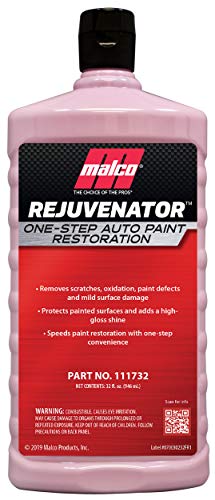
Malco Paint Rejuvenator offers comprehensive restoration for severely damaged finishes. This one-step compound and glaze removes scratches and leaves a beautiful, glossy surface protected by a high-performance polymer film, while carnauba wax adds long-lasting protection. Customer reviews consistently praise its ability to restore sun-damaged clear coat finishes that other products cannot repair.
16/05/2026 1:56 am
Meguiar’s Brilliant Solutions Paint Restoration Kit provides everything needed for complete paint renewal. The kit includes Gold Class Shampoo, a 25g Smooth Surface Clay Bar, clear coat safe Ultimate Compound, Gold Class Carnauba Plus Wax, and applicators with Supreme Shine Microfiber towels. With over 7,500 reviews averaging 4.2 stars, users appreciate the comprehensive approach and professional-quality results.

16/05/2026 1:56 am
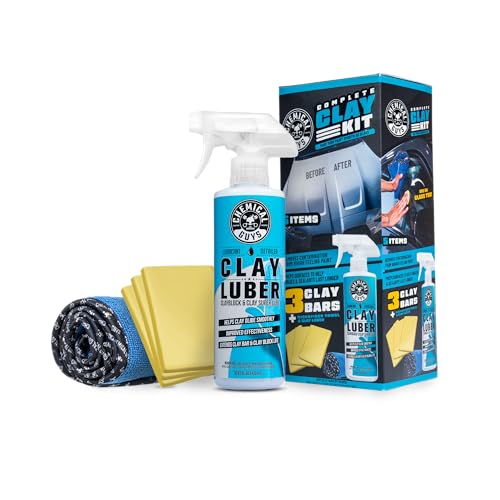
Chemical Guys Complete Clay Kit removes embedded contaminants that washing cannot eliminate. The kit includes three 60g clay bars, Clay Luber solution, and premium microfiber towels to restore a smooth-as-glass finish by removing brake dust, weather fallout, and other contaminants. This highly-rated product prepares surfaces for polishing and ensures optimal paint restoration results.
16/05/2026 1:56 am
Turtle Wax Hybrid Solutions Ceramic Polish represents cutting-edge paint care technology. The formula combines ceramic protection with traditional polishing compounds, delivering enhanced durability and water-beading properties that extend paint life significantly beyond conventional products.

16/05/2026 1:56 am
The Psychology Behind Car Color Choices
Color selection reveals personality traits and lifestyle preferences among vehicle owners. Many report white car drivers as peaceful perfectionists with the color being cooler in feeling, while people who choose black cars have that feeling of stealth and power.
Resale value considerations influence color decisions significantly. White vehicles consistently maintain higher resale values due to broad market appeal, while unusual colors may limit potential buyers despite their unique aesthetic appeal.
Regional preferences also shape color trends, with warmer climates favoring lighter colors for heat reflection and cooler regions showing greater acceptance of darker, heat-absorbing finishes.
Future Trends in Automotive Paint
Smart paint technologies promise revolutionary changes in vehicle appearance and functionality. Color-changing capabilities, integrated solar cells, and self-repairing surfaces represent the next frontier in automotive finishing.
Environmental considerations drive development of water-based formulations and sustainable manufacturing processes. These innovations maintain performance standards while reducing environmental impact throughout the paint lifecycle.
Customization technologies will enable real-time color changes through electronic controls, allowing owners to modify vehicle appearance instantly based on mood, weather, or personal preference.
The evolution from Henry Ford’s practical black paint to today’s sophisticated color technologies demonstrates how automotive finishing reflects broader technological progress, consumer preferences, and manufacturing innovations. Understanding this history enhances appreciation for both classic vehicles and modern automotive engineering achievements.
Related Posts
- How to Remove Bad Ceramic Coating: A Complete DIY Guide 🚗
- The Complete Guide to Getting the Best Deal on a Used Car
- Ceramic Wax for Cars: The Ultimate Protection That Lasts 4X Longer Than Traditional Wax
- McLaren 600LT: Track-Bred Supercar Excellence
- Best Ceramic Spray Wax for Cars: Superior Protection & Mirror-Like Shine