
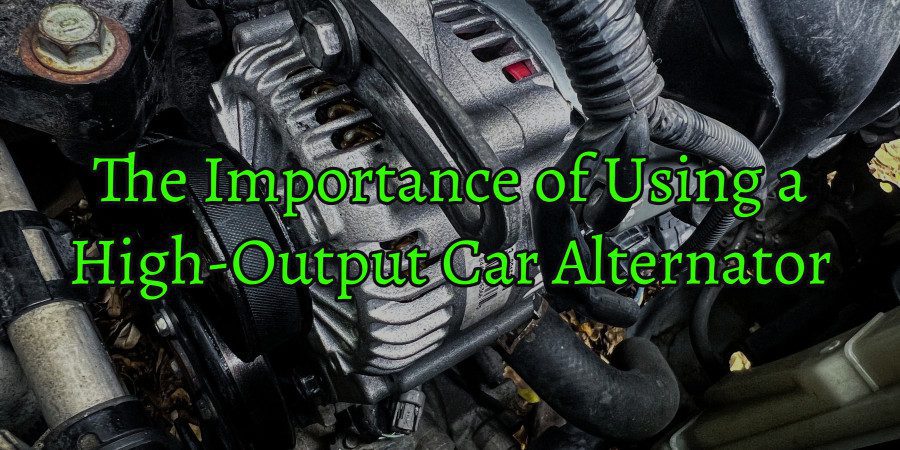
Boost Your Vehicle’s Power System with High-Amperage Alternators
Discover how high output car alternators enhance electrical performance, prevent battery drain, and support power-hungry accessories. Complete buyer’s guide with installation tips.
A high output car alternator transforms your vehicle’s electrical capacity by delivering significantly more amperage than standard factory units. These powerful electromagnetic generators convert mechanical energy into electrical power, ensuring your battery stays charged while supporting demanding accessories like premium audio systems, heated seats, and navigation equipment.
Modern vehicles require substantial electrical power to operate efficiently. When your stock alternator can’t keep pace with electrical demands, your battery works overtime, leading to premature failure and system malfunctions. High output alternators solve this problem by generating 200-400+ amps compared to standard 90-120 amp units.
What Makes High Output Alternators Essential
High output alternators prevent electrical system overload by maintaining consistent voltage under heavy loads. Unlike standard alternators that struggle with multiple accessories, these upgraded units maintain stable 13.8-14.4 volts regardless of electrical demand.
Your vehicle’s electrical system operates like a carefully balanced ecosystem. When you add aftermarket stereo systems, auxiliary lighting, or other power-hungry modifications, the stock alternator quickly reaches its limits. This creates a domino effect: dimming headlights, struggling air conditioning, and rapid battery discharge.
The automatic voltage regulator (AVR) in high output units prevents electrical damage by controlling current flow. This sophisticated component ensures your alternator delivers only the required power, protecting sensitive electronics from voltage spikes that could cause expensive damage.



07/11/2025 2:00 pm
Core Components and Operation
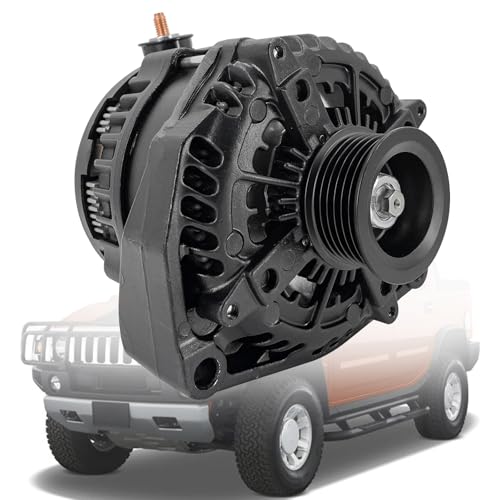
High output alternators feature two primary components working in harmony: the stator and rotor. The stator contains multiple copper wire coils surrounding the rotor, creating the electromagnetic field necessary for power generation. These coils are typically wound with heavier gauge wire to handle increased current flow.
The rotor, sometimes called the flywheel, contains powerful magnets that spin rapidly within the stator’s electromagnetic field. This rotation generates alternating current, which internal diodes convert to direct current for your vehicle’s 12-volt system.
Premium high output units feature upgraded bearings, improved cooling systems, and reinforced internal components designed for continuous heavy-duty operation. These enhancements ensure reliable performance even under extreme conditions.
Signs You Need an Alternator Upgrade
Several warning signs indicate your current alternator can’t meet electrical demands. Dimming headlights when using air conditioning signals insufficient power generation. Dashboard warning lights, particularly the battery indicator, suggest charging system problems that often stem from inadequate alternator output.
Frequent dead batteries despite proper maintenance typically indicate alternator insufficiency. When your alternator can’t maintain proper charging voltage, batteries work harder and fail prematurely. Strange noises from the engine bay, especially grinding or whining sounds, often signal alternator bearing failure.
Understanding alternator problems and symptoms helps identify issues before complete system failure. Modern diagnostic tools can measure actual alternator output compared to specifications, providing definitive answers about upgrade necessity.
Calculating Your Power Requirements
Determine alternator needs by calculating total electrical load. Standard automotive electrical systems require 60-80 amps for basic operation: engine management, lighting, ignition, and charging systems. Adding aftermarket accessories increases this substantially.
High-powered audio systems alone can draw 100+ amps during peak operation. Auxiliary lighting, winches, and other modifications add significant electrical demand. A good rule: if modifications increase electrical requirements by 15% or more, upgrade to a high output alternator.
Professional electrical load analysis provides accurate power calculations. Many performance shops offer this service, measuring actual draw from all systems to recommend appropriate alternator specifications.
Types and Applications
High output alternators serve three primary applications.
Audio-specific units prioritize clean power delivery for sensitive stereo equipment, featuring additional filtering and voltage regulation to prevent electrical noise interference.
Utility-focused alternators handle heavy electrical loads from work equipment, auxiliary lighting, and power tools. These units emphasize durability and consistent power delivery under varying load conditions.
Universal high output alternators balance performance across all applications. These versatile units work well for general upgrades where multiple electrical demands require enhanced capacity.
Marine and off-road applications require specialized alternators with enhanced corrosion resistance and sealed construction. These units withstand harsh environmental conditions while maintaining reliable performance.
Installation and Compatibility
Professional installation ensures optimal performance and prevents electrical system damage. High output alternators often require upgraded wiring harnesses, thicker ground straps, and modified mounting brackets to handle increased current flow safely.
Vehicle compatibility varies significantly between makes and models. Some applications require custom brackets or pulley modifications to accommodate larger alternator housings. Computer-controlled charging systems may need recalibration for proper operation with high output units.
Understanding alternator power requirements helps ensure successful installation. Many modern vehicles use electronic load management systems that must recognize upgraded alternator specifications for optimal performance.
Performance Benefits and Improvements
Upgraded alternators deliver immediate performance improvements. Headlights maintain consistent brightness regardless of electrical load. Air conditioning operates efficiently without voltage drops affecting other systems. Battery life extends significantly due to proper charging maintenance.
Engine performance benefits from stable electrical supply to ignition and fuel injection systems. Voltage fluctuations can cause rough idling, hesitation, and reduced fuel economy. High output alternators eliminate these issues by maintaining consistent electrical supply.
Starting performance improves dramatically, especially in cold weather conditions. Well-charged batteries provide reliable starting power, while consistent charging prevents deep discharge cycles that damage battery plates.
Quality Considerations and Brand Selection
Premium high output alternators feature heavy-duty construction with oversized components designed for continuous operation. Quality units include lifetime warranties and comprehensive technical support for installation and troubleshooting.
Avoid remanufactured or budget alternators for high-demand applications. These units often use standard internal components inadequate for sustained high output operation. Quality alternators cost more initially but provide superior reliability and longevity.
Leading manufacturers like Mechman, JS Alternators, and PowerBastards specialize in high output units with proven track records. These companies offer application-specific solutions with proper technical specifications for various vehicle platforms.
Maintenance and Longevity
High output alternators require regular maintenance for optimal performance. Check belt tension monthly, as loose belts cause slippage and reduced output. Inspect electrical connections for corrosion or looseness that increases resistance and reduces efficiency.
Clean alternator housing regularly to maintain proper cooling. Dust and debris accumulation restricts airflow, causing overheating that damages internal components. Many high output units feature external cooling fans requiring periodic cleaning.
Monitor charging system voltage with a digital multimeter. Proper charging voltage should remain between 13.8-14.4 volts at idle with all accessories operating. Voltage outside this range indicates potential problems requiring professional diagnosis.
Quality high output alternators typically last 100,000+ miles with proper maintenance. However, severe-duty applications may require more frequent service intervals. Understanding stator function and maintenance helps identify potential issues before failure occurs.
Cost Analysis and Value
High output alternators represent significant initial investment, typically costing $300-800 depending on specifications and brand. However, this investment prevents costly electrical system damage and battery replacement expenses that result from inadequate charging capacity.
Calculate long-term savings by considering battery replacement costs, potential electrical system repairs, and improved fuel economy from efficient engine operation. Quality high output alternators often pay for themselves through reduced maintenance costs and improved reliability.
Professional installation adds $150-300 to total project cost but ensures proper operation and warranty compliance. Improper installation can damage expensive vehicle electronics, making professional service worthwhile for complex applications.
Conclusion
High output alternators transform vehicle electrical systems by providing consistent, reliable power for demanding applications. Whether supporting premium audio systems, work equipment, or simply ensuring reliable operation of modern vehicle electronics, these upgrades deliver immediate and long-term benefits.
Choose quality units from reputable manufacturers, ensure professional installation, and maintain systems properly for years of trouble-free operation. The investment in high output alternator technology pays dividends through improved performance, reliability, and reduced maintenance costs.
Related Posts
- Electric Car Batteries: Environmental Impact and Recycling Solutions
- Can I Install an EV Charger at Home Myself?
- Euro 7 Emissions Standards 2026: The Revolutionary New Rules Transforming European Cars
- Should You Buy An Electric Vehicle? Why the EV Dream is Failing in the UK While America Offers Hope
- How to Bleed Brakes on an Older Car Naturally