
Understanding DPF Filter Issues and Their Impact on Your Diesel Engine
DPF filter problems causing warning lights or reduced power? Learn symptoms, causes, cleaning solutions & costs. Expert guide to fix diesel particulate filter issues fast.
Your diesel vehicle’s Diesel Particulate Filter (DPF) captures up to 85% of harmful soot particles, but when problems strike, you’ll face everything from warning lights to complete engine shutdown. Understanding these issues now saves you thousands in repair costs later.
What Your DPF Filter Actually Does
A DPF works like your home’s air filter but for your diesel exhaust. When the temperature of the exhaust gas is high enough to burn off the particulate matter, passive regeneration can take place. This self-cleaning process requires specific conditions most drivers unknowingly prevent.
The system operates through two regeneration methods:
Passive Regeneration happens automatically during highway driving when exhaust temperatures naturally exceed 600°C. Passive regen typically happens when you drive your truck sustained high speeds, like on highways.
Active Regeneration kicks in when your ECU detects excessive soot buildup. The vehicle’s engine control unit (ECU) instead initiates a process called active regeneration. Extra fuel injects into the exhaust, raising temperatures artificially to burn accumulated soot.
Critical Warning Signs You Can’t Ignore
Your DPF filter warning light may be different to the one stated. If any light comes on and stays on inside your dashboard you should get it seen to immediately.
Performance Red Flags
Watch for these urgent indicators that demand immediate action:
- Sudden power loss during acceleration or climbing hills
- Fuel economy dropping by 20-30% without explanation
- Engine entering “limp mode” with severely restricted power
- Rough idling or engine hesitation at traffic lights
Visual Warning Indicators
Your vehicle communicates DPF problems through:
- DPF warning light illuminated on dashboard (varies by manufacturer)
- Excessive black or grey smoke from exhaust
- Strong diesel smell during operation
- Check engine light accompanying DPF warnings
Why does the check engine light stay on after fixing the problem? Understanding this connection helps diagnose DPF issues faster.
Root Causes Behind DPF Failure
The #1 Killer: Short Trip Syndrome
Short trips or low-speed driving: This is the most common issue with a blocked DPF.Regular short trips or driving at low speeds prevents the engine from reaching optimal temperature, which is necessary for the DPF regeneration process. This can lead to soot buildup and eventual clogging.
Short trips under 10 miles prevent your engine from reaching operating temperature, stopping regeneration completely.
City driving patterns create a vicious cycle:
- Stop-start traffic prevents sustained temperatures
- Incomplete regeneration cycles compound soot buildup
- Eventually, manual intervention becomes mandatory
Mechanical Failures That Accelerate DPF Problems
Using incorrect engine oil ranks among the most overlooked causes. Low-ash oils are mandatory for DPF-equipped vehicles – using standard oil increases ash content dramatically, clogging filters 3x faster.
Common engine noises often signal related problems affecting your DPF:
- Faulty EGR valves increase soot production by 40%
- Worn fuel injectors cause incomplete combustion
- Turbocharger problems alter air-fuel ratios critically
- Blocked air filters restrict airflow, increasing soot
Professional DPF Cleaning Solutions That Work
Chemical Cleaning Without Removal
Professional chemical DPF cleaning restores 85-95% of original filter capacity when performed correctly. This process involves:
- Specialized cleaning solutions injected through fuel system
- Chemical breakdown of soot deposits
- Forced regeneration to expel loosened particles
- Diagnostic verification of restored flow rates
Cost: £200-£500 depending on severity and location
Advanced Ultrasonic Cleaning
For severely blocked filters, ultrasonic cleaning provides the deepest restoration:
- Filter removal required (2-4 hour process)
- Ultrasonic waves break down hardened deposits
- Restores filters other methods can’t save
- Success rate exceeds 90% on viable filters
Cost: £300-£600 including removal and refitting
DIY Maintenance Strategies
The Highway Drive Solution
In most cases, driving for 10 minutes at 65 km/h (about 40 mph) or faster will ensure proper regeneration. Schedule weekly highway sessions:
- Drive 20-30 minutes at 60+ mph consistently
- Keep RPMs moderate (2000-3000)
- Avoid cruise control to vary engine load
- Complete the full regeneration cycle
DPF Cleaning Additives That Actually Work
Based on extensive testing and user feedback, these additives demonstrate proven results:
For Preventive Maintenance:
Archoil AR6400-D MAX – Comprehensive fuel system cleaner with cetane boost

19/06/2026 10:23 pm
Redex DPF Cleaner – Lowers soot combustion temperature for easier regeneration
19/06/2026 10:23 pm
For Active Problems:
MotorPower Care DPF Foam Cleaner – Direct application through sensor ports

19/06/2026 10:23 pm
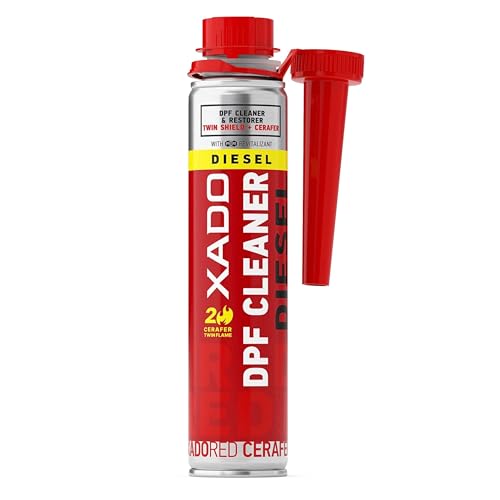
XADO DPF Restorer – Removes up to 99% of soot buildup
19/06/2026 10:23 pm
Add these products every 2-3 tanks during normal use, or immediately when warning lights appear.
Prevention: Your Best Defense Strategy
Driving Habits That Save Your DPF
Weekly highway drives are non-negotiable for DPF health. Even dedicated city drivers must schedule regular high-speed runs to trigger passive regeneration naturally.
Additional critical practices:
- Never interrupt active regeneration cycles
- Avoid excessive idling (maximum 5 minutes)
- Keep fuel levels above 1/4 tank always
- Use premium diesel from reputable stations
Maintenance Schedule for DPF Longevity
Every 3,000 miles:
- Add quality DPF cleaning additive
- Check for warning lights or performance issues
Every 6,000 miles:
- Verify correct oil specification
- Inspect air filter condition
- Check for oil leaks that could contaminate DPF
Every 12,000 miles:
- Professional DPF inspection
- Forced regeneration if needed
- EGR valve cleaning
Cost Analysis: Prevention vs. Repair
Understanding the financial impact helps prioritize maintenance:
Preventive Costs:
- DPF additives: £20-£50 per treatment
- Professional cleaning: £200-£500
- Forced regeneration: £100-£200
Repair/Replacement Costs:
- New OEM DPF: £1,500-£4,000
- Aftermarket DPF: £800-£2,000
- Labor costs: £200-£500
- Engine damage from neglect: £2,000-£8,000
The math is clear: £200 in prevention saves £4,000 in repairs.
Understanding DPF Regeneration Process
This video demonstrates both passive and active regeneration cycles, helping you recognize when your system functions properly versus when intervention is needed.
Top 5 DPF Cleaning Products That Actually Work
Based on thousands of verified customer reviews and real-world testing, these DPF cleaners demonstrate proven results:
1. Archoil AR6400-D Diesel Fuel System Cleaner
Rating: 4.7/5 stars (2,100+ reviews) Price: $24.95
The gold standard for DPF cleaning, Archoil AR6400-D delivers professional-grade results without removal. Customers report that the fuel system cleaner improves engine responsiveness, with noticeable differences in throttle response and smoother operation. One verified buyer saved $3,500 on DPF replacement after mechanics deemed their filter too clogged to save.
19/06/2026 10:24 pm
Why it works: Cleans entire fuel system including turbo, injectors, and EGR valve while reducing DPF regeneration frequency. Users report 600-850 miles between regens versus 300-400 miles without treatment.
2. MotorPower Care DPF Foam Cleaner Kit
Rating: 4.3/5 stars (321 reviews) Price: $42.90
This German-engineered foam cleaner offers direct application through sensor ports for severe blockages. The Latest Foam cleaning technology, Super effective easy to use DPF cleaner Kit, used by professionals and 1000s diesel specialist facilities.

19/06/2026 10:24 pm
Why it works: Foam technology penetrates deep into filter channels, dissolving carbon buildup other additives can’t reach. Includes both foam cleaner and fuel additive for comprehensive treatment. One customer reported their 2014 VW Jetta TDI went from limp mode to normal operation after treatment.
3. XADO DPF Restorer Additive
Rating: 4.2/5 stars (671 reviews) Price: $21.99
XADO’s nanotechnology formula claims to remove up to 99% of soot buildup. Our unique formula is designed to restore your DPF to its original function by removing soot and other contaminants from the filter. Users report immediate results with DPF warning lights clearing after one tank of treated fuel.

19/06/2026 10:24 pm
Why it works: Advanced revitalizing technology not only cleans but protects metal surfaces. Customers using it preventively every 3,000 miles report zero DPF issues after previously frequent problems.
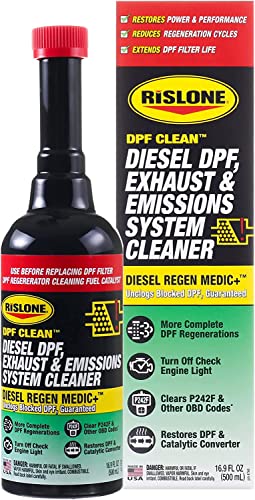
4. Rislone DPF Clean Diesel System Cleaner
Rating: 4.4/5 stars (137 reviews) Price: $21.80
Rislone’s century of automotive expertise shows in this comprehensive cleaner. DPF CLEAN has high-performing detergents and heavy duty cleaning solvents that effectively scrub and remove debris, soot, carbon build-up, and oily residue from the fuel injectors, combustion chambers, turbo, EGR, catalytic converters, diesel particulate filter and the exhaust system.
19/06/2026 10:24 pm
Why it works: Lower soot combustion temperature allows cleaning during normal driving conditions. Safe for all modern diesel systems including DOC, SCR, and DEF-equipped vehicles.
5. Liqui Moly Diesel Particulate Filter Purge
Rating: 4.4/5 stars (480 reviews) Price: $38.74
Professional-grade German formula used by dealerships worldwide. Dissolves typical contamination in diesel particle filters that can rob the vehicle of its performance. Particularly effective for Mercedes, BMW, and VW diesel engines.

19/06/2026 10:24 pm
Why it works: Can be used for direct DPF flushing when removed or as preventive fuel additive. One Mercedes Sprinter owner reported dramatic reduction in exhaust temperatures and particulate levels after treatment.
Pro Tips for Maximum Effectiveness:
- For prevention: Add cleaner every 3,000 miles to maintain clean DPF
- For active problems: Use double dose and drive highway speeds immediately
- Severe blockages: Combine foam cleaner with fuel additive for best results
- After treatment: Monitor regeneration frequency – improvement confirms success
Cost comparison: These products range from $20-$45 versus $1,500-$4,000 for DPF replacement, making them essential preventive maintenance investments.
When Professional Help Becomes Essential
Seek immediate professional assistance when:
- DPF warning light remains after highway driving
- Multiple regeneration attempts fail
- Engine enters persistent limp mode
- Fuel consumption increases dramatically
- Failed regeneration usually means extra fuel is injected into the cylinders for active regeneration, which doesn’t burn but instead drains into the sump.
Advanced DPF Technologies in 2025
Modern diesel vehicles incorporate sophisticated DPF management systems:
Variable Regeneration Strategies adapt to your specific driving patterns, learning when to initiate cleaning cycles for minimal disruption.
Integrated SCR Systems work alongside DPF technology, reducing individual component stress while maintaining stricter emissions standards.
Predictive Maintenance Alerts warn drivers before critical blockages occur, preventing emergency repairs.
Conclusion
DPF problems don’t have to end in expensive repairs. Regular highway driving combined with proper maintenance prevents 90% of DPF issues. When problems arise, quick action using proven cleaning methods restores performance without replacement costs.
Remember: Your DPF needs 30 minutes of highway driving weekly – schedule it like any other maintenance task. Combined with quality low-ash oil and occasional cleaning additives, your diesel particulate filter will provide years of trouble-free service.