
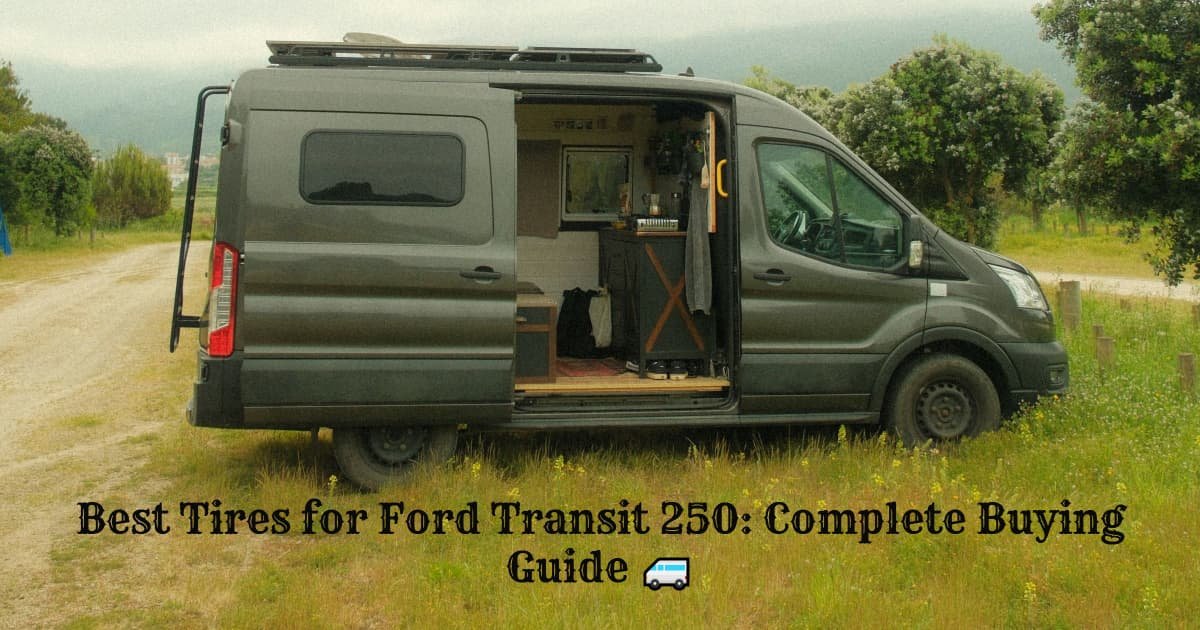
Transform Your Work Van’s Performance with the Right Tire Choice
Choosing the right tires for your Ford Transit 250 can dramatically improve your van’s performance, fuel efficiency, and safety. Whether you’re hauling cargo for work or converting your Transit into a camper van, the right tire upgrade enhances traction, ride comfort, and overall driving experience.
Why Upgrade Your Ford Transit 250 Tires?
Ford Transit models come equipped from the factory with either Continental Van Contact AS or Hankook Dynapro HT tires, but most Transit owners discover significant benefits from upgrading, especially when:
- Heavy cargo loads require enhanced grip and stability
- All-weather driving demands better traction in rain, snow, or muddy conditions
- Highway miles call for improved fuel efficiency and reduced road noise
- Off-road adventures need aggressive tread patterns for unpaved surfaces
The Ford Transit comes with pitifully small 235/65-R16 tires and at a diameter of just 28″, it really limits the Ford Transit’s off-road abilities.
Top Ford Transit 250 Tire Categories
All-Season Highway Tires
Perfect for commercial use and daily driving, these tires balance durability, comfort, and fuel efficiency. They excel on paved roads and handle light winter conditions adequately.
Cooper Discoverer HT3 All-Season Commercial Tire
The Cooper Discoverer HT3 stands out as the best commercial tire for Ford Transit vans used for work or hauling, featuring a 50,000-mile warranty. Built specifically for commercial vehicles, this tire delivers exceptional performance for work vans.

18/06/2026 1:42 am
Key Features:
- 50,000-mile treadwear warranty – industry-leading coverage for commercial use
- Optimized tread compound designed for heavy loads and frequent stops
- Enhanced sidewall construction prevents damage from curb impacts
- Four wide circumferential grooves provide excellent water evacuation
- Quiet ride technology reduces highway noise for driver comfort
Best for: Fleet operators, contractors, and delivery services requiring maximum durability and warranty protection.
Limitations: Higher initial cost compared to budget options, though long-term value is excellent.
Real User Experience: Transit owner Mike S. from Oregon notes: “These HT3s have been incredible for my plumbing business. Over 40,000 miles and they still look great. The warranty gives me peace of mind when I’m loading heavy pipe and fixtures daily.”
All-Terrain Tires
Designed for versatile performance, all-terrain tires handle both highway driving and moderate off-road conditions. Essential for contractors accessing job sites or adventure van builds.
Firestone Destination LE 2 All-Season Radial Tire
The Firestone Destination LE 2 represents the second generation of Firestone’s popular all-season design, specifically engineered for vans and light trucks. These tires provide enhanced handling quality and driving comfort.

18/06/2026 1:42 am
Key Features:
- Silica-enhanced tread compound improves wet weather performance
- Symmetric tread pattern provides consistent wear and handling
- Optimized contact patch enhances cornering stability and steering response
- Cross-groove technology with zig-zag sipes for winter traction
- Dual steel belt construction with nylon reinforcement for durability
Best for: Mixed-use Transit owners who need reliable all-season performance with good wet weather capabilities.
Limitations: Not designed for severe off-road use; tread life may be shorter under heavy commercial loads.
Real User Experience: Contractor Lisa R. from Colorado shares: “I drive my Transit through mountain passes regularly for construction jobs. These Destinations handle wet roads beautifully and give me confidence in changing weather conditions.”
Aggressive All-Terrain Options
Cooper Evolution M/T All-Season Tire
For Transit owners venturing beyond paved roads, the Cooper Evolution M/T provides aggressive all-terrain capability without sacrificing on-road manners. This tire bridges the gap between highway and off-road performance.

18/06/2026 1:43 am
Key Features:
- Aggressive shoulder blocks provide maximum traction on loose surfaces
- Self-cleaning tread design prevents mud and stone retention
- Divided center rib enhances off-road grip while maintaining highway stability
- Silica-based tread compound improves wet surface handling
- Reinforced sidewall construction resists punctures and cuts
Best for: Adventure van builders, outdoor professionals, and anyone requiring serious off-road capability.
Limitations: Increased road noise compared to highway tires; may reduce fuel economy slightly.
Real User Experience: Photographer Dave K. from Utah explains: “My Transit camper conversion takes me to remote locations for landscape shoots. These Coopers grip amazingly on rocky trails and sandy washes, yet they’re still comfortable on long highway stretches.”
Essential Factors for Choosing Transit 250 Tires
Climate Considerations 🌦️
Your regional weather patterns should heavily influence tire selection. The Nokian Hakkapeliitta C3 Studded is a great choice in a winter tire for your Ford Transit 250, and has a good SimpleScore of 8.8 out of 10 for areas with severe winter conditions.
Northeastern regions with heavy snowfall benefit from tires with:
- Enhanced winter traction compounds
- Deep sipe networks for ice grip
- All-season capabilities for year-round use
Southern climates can prioritize:
- Heat-resistant compounds
- Fuel efficiency optimization
- Enhanced wet weather performance
Load Requirements and Vehicle Usage
Transit 250 vans handle varying weight loads, from empty cargo runs to maximum payload capacity. Your tire choice should match your typical usage:
Light Commercial Use:
- Standard load rating tires (SL)
- Focus on fuel efficiency and comfort
- Longer tread life warranties
Heavy Cargo/Fleet Use:
- Extra load (XL) or commercial (C) rated tires
- Reinforced sidewall construction
- Enhanced durability features
Tire Size Specifications 📏
Ford Transit 250 models typically use 235/65R16 sizing, where 235 represents the tire width in millimeters, 65 is the aspect ratio, and 16 indicates the wheel diameter in inches.
Understanding Your Options:
- Stock size (235/65R16): Maintains factory performance and fuel economy
- Plus-size upgrades: Larger diameter options may improve handling but can affect ride comfort
- Load index ratings: Essential for matching your van’s weight requirements
For tire size verification, consult your owner’s manual or the driver’s door jamb sticker containing manufacturer specifications.
When to Replace Your Transit Tires ⏰
Visual Inspection Indicators
Regular tire inspections help identify replacement timing:
Tread Depth Measurement:
- Use the penny test or tread depth gauge
- Replace when tread reaches 2/32″ depth
- Consider replacement at 4/32″ for wet weather safety
Uneven Wear Patterns:
- Center wear indicates over-inflation
- Edge wear suggests under-inflation
- One-sided wear points to alignment issues
Sidewall Damage:
- Cracks, bulges, or cuts require immediate replacement
- UV damage from sun exposure weakens rubber compounds
Mileage-Based Replacement
Tires on a Ford Transit should last up to 60,000 to 70,000 miles. Most quality Transit tires provide:
- 40,000-60,000 miles for all-season highway tires
- 30,000-50,000 miles for all-terrain options
- 25,000-40,000 miles for aggressive off-road tires
Tire Maintenance Best Practices 🔧
Proper Inflation Management
Max tire pressure rating on the tire is 80PSI. The tire is Hankook Dynapro HT 235/65R16C for factory equipped tires.
Maintaining correct tire pressure impacts:
- Fuel efficiency: Under-inflation increases rolling resistance
- Tire life: Proper pressure prevents premature wear
- Safety: Correct inflation ensures optimal handling
Check tire pressure monthly using a quality gauge, and adjust according to the manufacturer’s recommended PSI found on your door jamb sticker.
Regular Rotation Schedule
Rotate tires every 6,000-8,000 miles to ensure even wear patterns. Front-wheel-drive Transits benefit from cross-rotation patterns.
Alignment and Balancing
Professional alignment services every 12,000 miles or when uneven wear appears will maximize tire life and maintain handling precision.
Cost Considerations and Value 💰
Budget Planning
Quality Transit 250 tires range from:
- $150-250 per tire for premium all-season options
- $200-300 per tire for commercial-grade tires
- $180-280 per tire for all-terrain models
Long-term Value Assessment
Consider total cost of ownership:
- Warranty coverage: Longer warranties often justify higher upfront costs
- Fuel efficiency: Premium tires may reduce fuel consumption
- Replacement frequency: Durable tires cost less over time
Professional Installation and Services
Choosing Installation Partners
Select tire shops offering:
- Experience with commercial vehicles
- Proper balancing equipment for larger tires
- Alignment services for optimal performance
- Warranty support and road hazard protection
For technical information on Ford engines and maintenance, visit MotorBeast’s Ford 4.2 V6 engine guide.
Frequently Asked Questions
What causes premature Ford Transit tire wear? Multiple factors contribute to early tire replacement needs: improper inflation pressure, vehicle misalignment, worn suspension components, aggressive driving habits, and overloading beyond manufacturer specifications.
Should I match the exact OEM tire pressure recommendations? Yes, follow manufacturer specifications found on your driver’s door jamb. Deviation from recommended pressure can compromise performance, fuel efficiency, and safety.
How do I determine the right load rating for my Transit’s usage? Consider your typical cargo weight and frequency of maximum payload operations. Light commercial use can utilize standard load (SL) tires, while frequent heavy hauling requires extra load (XL) or commercial (C) rated options.
Final Recommendations
Upgrading your Ford Transit 250 tires represents one of the most impactful improvements for performance, safety, and driving comfort. Quality tires are an investment in your vehicle’s performance and your peace of mind on the road. 🚐✨
External Resources:
For additional automotive maintenance insights, check MotorBeast’s check engine light troubleshooting guide.