

Yamaha R1 vs R6 Head-to-Head: Your Ultimate Superbike Buying Guide
The R1 dominates with 200HP from its 998cc engine, making it ideal for experienced riders seeking ultimate track performance. The R6 delivers 122HP from its 599cc powerplant, offering more manageable power for intermediate riders and track newcomers.
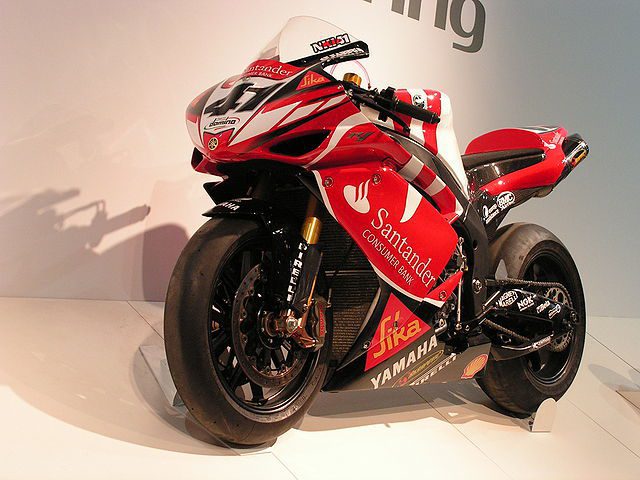
Choosing between Yamaha’s legendary R1 and R6 superbikes isn’t just about horsepower—it’s about finding the perfect match for your riding style and experience level. Both motorcycles represent decades of Yamaha’s racing heritage, but they serve distinctly different purposes in the superbike hierarchy.
Engine Performance: Power Meets Precision
Yamaha R1 Powerhouse
The R1’s 998cc liquid-cooled crossplane inline-four engine produces a staggering 200 horsepower at 13,500 RPM and 82.9 lb-ft of torque at 11,500 RPM. This Euro5-compliant powerplant features Yamaha’s revolutionary crossplane crankshaft technology, delivering linear power delivery that mirrors their MotoGP machines.
Advanced fuel injection positioning directly down the intake tract improves combustion efficiency by 12%, while four catalytic converters reduce emissions without muffling that distinctive superbike exhaust note.
Yamaha R6 Performance Balance
The R6’s 599cc liquid-cooled DOHC inline-four generates 122 horsepower at 14,500 RPM and 45.5 lb-ft of torque at 10,500 RPM. Despite lower displacement, the R6 revs higher than the R1, creating an intoxicating high-RPM experience that defines the middleweight superbike category.
Both motorcycles feature six-speed transmissions and electronic starter systems, but the R6’s lighter rotating assembly allows for quicker rev changes and more responsive throttle input.
Design and Dimensions: Form Follows Function
Key Dimensional Differences:
- Fuel Capacity: R1 (3.9L) vs R6 (3.4L)
- Length: R1 (2055mm) vs R6 (2040mm)
- Seat Height: R1 (860mm) vs R6 (850mm)
- Ground Clearance: Both feature identical 130mm clearance
The R1’s larger fuel tank provides extended range for track sessions, while both bikes maintain aggressive supersport ergonomics with low-mounted clip-on handlebars and rear-set footpegs.
Modern R6 styling closely mimics the R1’s aerodynamic bodywork, featuring sharp fairings and LED lighting systems that enhance both aesthetics and functionality.
Electronics and Safety Technology
R1 Advanced Electronics Suite
Standard R1 features include:
- Traction Control System (TCS)
- Slide Control System (SCS)
- Wheel Lift Control (LIF)
- Launch Control
- Quick Shifter System (QSS)
- ABS/Unified Braking System
- Selectable Power Modes
The R1’s comprehensive electronics package represents Yamaha’s most advanced road-going technology, comparable to systems found on competing 1000cc superbikes.
R6 Electronics Package
While less extensive than the R1, the 2017+ R6 received a significant electronics upgrade including:
- Traction Control
- ABS Braking
- Quick Shifter (select models)
- Digital instrumentation
Suspension and Handling Dynamics
Both motorcycles utilize KYB suspension components with full adjustability:
Front: 43mm inverted telescopic forks with compression, rebound, and preload adjustments Rear: Monoshock with four-way adjustability for varying track conditions
The R1’s slightly longer wheelbase provides enhanced stability at high speeds, while the R6’s more compact dimensions deliver sharper handling characteristics ideal for tight technical circuits.
Pricing and Value Proposition
R1 Pricing Structure
- Standard R1: $16,699 MSRP
- R1S (Budget Version): $14,999 MSRP
- R1M (Track Special): $22,999+ MSRP
The R1S replaces certain lightweight components with conventional materials, adding approximately 7 pounds while maintaining core performance characteristics.
R6 Value Offering
The R6 typically retails for $12,199 MSRP, making it significantly more accessible than its bigger brother while still delivering genuine superbike performance.
Essential Riding Gear for R1 and R6 Owners
Premium Motorcycle Helmets
AGV K6S Carbon Helmet This wind-tunnel tested racing helmet features a carbon fiber shell weighing just 3.02 pounds while exceeding ECE 22.06 safety standards by 36%. The aerodynamic design reduces buffeting at highway speeds, making it perfect for both R1 and R6 riders seeking professional-grade protection.

07/11/2025 5:39 am
Shoei RF-1400 Helmet
Combining premium Japanese craftsmanship with advanced ventilation technology, this helmet offers exceptional comfort during extended track sessions. Multiple shell sizes ensure proper fit, while the integrated speaker pockets accommodate communication systems.

07/11/2025 5:39 am
Bell Race Star Flex Helmet Featuring multi-density EPS foam construction and a lightweight carbon fiber shell, this helmet provides superior impact protection. The magnetic cheek pad system simplifies maintenance—crucial for riders logging serious track miles.

07/11/2025 5:39 am
Protective Motorcycle Jackets
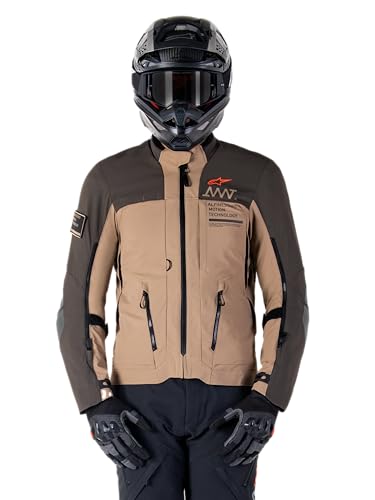
Alpinestars AMT-10R Drystar XF Jacket This three-season adventure jacket features Level 2 CE armor and a removable waterproof membrane. The modular design allows temperature regulation from cool morning track sessions to afternoon street rides, making it ideal for versatile R-series owners.
07/11/2025 5:39 am
Dainese Racing 4 Leather Jacket Premium Italian leather construction with strategically placed stretch panels provides unrestricted movement during aggressive riding positions. CE-approved shoulder and elbow protection, plus chest protector compatibility, delivers track-ready safety without compromising style.

07/11/2025 5:39 am
Track Performance Comparison
Quarter-Mile Times:
- R1: 9.8 seconds @ 147 mph
- R6: 11.2 seconds @ 128 mph
Lap Time Advantages: The R1’s superior power-to-weight ratio and advanced electronics provide measurable advantages on longer circuits, while the R6’s nimble handling excels on technical tracks with tight corners. <iframe width=”560″ height=”315″ src=”https://www.youtube.com/embed/3Fx0Stlcg7s” title=”Yamaha R1 vs R6 Track Comparison” frameborder=”0″ allowfullscreen></iframe>
Real-World Ownership Considerations
Maintenance and Running Costs
Both motorcycles require premium fuel and frequent service intervals typical of high-performance engines. The R6’s smaller displacement generally results in:
- Lower insurance premiums
- Reduced tire wear
- Better fuel economy (35-40 mpg vs 30-35 mpg)
Rider Experience Requirements
R1 Target Rider: Experienced motorcyclists comfortable with 200+ horsepower, track day enthusiasts, and riders seeking ultimate performance R6 Target Rider: Intermediate to advanced riders, those transitioning from smaller displacement bikes, canyon carvers prioritizing handling over outright power
Competitive Landscape Analysis
The R1 competes directly with the Kawasaki ZX-10R, Suzuki GSX-R1000, and Honda CBR1000RR in the premier superbike category. Meanwhile, the R6 faces rivals like the Kawasaki ZX-6R and Honda CBR600RR in the increasingly competitive 600cc class.
Recent market trends show middleweight supersports gaining popularity among track day enthusiasts who prioritize handling finesse over straight-line acceleration.
Technology Evolution and Future Outlook
Yamaha continues refining both platforms with annual updates focusing on:
- Emissions compliance improvements
- Electronic rider aid sophistication
- Aerodynamic optimization
- Weight reduction initiatives
The R-series legacy spans over two decades, with each generation building upon lessons learned from Yamaha’s MotoGP racing program.
Final Verdict: Choosing Your Perfect Yamaha
Choose the R1 if you:
- Have extensive superbike experience
- Prioritize maximum power and acceleration
- Plan regular track day participation
- Want the most advanced electronics package
Choose the R6 if you:
- Prefer manageable power delivery
- Value nimble handling characteristics
- Seek better value proposition
- Prioritize fuel efficiency and lower operating costs
Both motorcycles represent the pinnacle of Yamaha’s supersport engineering, delivering experiences that have shaped the modern superbike landscape. Whether you choose the R1’s raw power or the R6’s balanced performance, you’re investing in decades of racing heritage and engineering excellence.
The decision ultimately depends on your riding priorities, experience level, and intended usage. Both bikes reward skilled riders with unforgettable experiences that justify their legendary reputations in the superbike community.
Related Posts
- 2 Stroke vs 4 Stroke Dirt Bike: Complete Beginner’s Engine Guide
- How to Overcome Your Fear of Riding a Motorcycle: A Complete Guide for Anxious Riders 🏍️
- Why Every Rider Should Take a Motorcycle Safety Course (Even Experienced Ones) 🏍️
- How to Seal Motorcycle Tires: Complete Protection Against Punctures
- Can You Patch a Motorcycle Tire? The Ultimate Repair Safety Analysis