

Performance Comparison: Speed vs Efficiency
Tesla’s two flagship sedans represent different approaches to electric luxury and performance, with the Model 3 offering accessible innovation while the Model S delivers premium refinement and raw power.
Looking to choose between Tesla’s most popular sedans? The Tesla Model 3 starts at $44,130 while the Model S begins at $81,630, representing a significant $37,500 price difference that extends far beyond just the sticker price. This comprehensive comparison will help you understand which Tesla sedan best fits your lifestyle, budget, and driving needs.
Tesla Model 3 Performance 🚗
The Model 3 Performance delivers brutal acceleration, hitting 60 MPH in just 2.9 seconds while maintaining impressive efficiency ratings. The Model 3 achieves 137 MPGe in combined driving with rear-wheel drive and 128 MPGe with all-wheel drive, making it one of the most efficient luxury sedans available.
Key Performance Metrics:
- 0-60 MPH: 2.9 seconds (Performance), 4.6 seconds (Long Range)
- Top Speed: 163 MPH (Performance), 130 MPH (Long Range)
- Range: 303-363 miles depending on configuration
- Efficiency: 112-137 MPGe combined
Tesla Model S Performance ⚡
The Model S Plaid is one of the fastest cars in the world, accelerating to 60 MPH in 1.99 seconds on its way to a top speed of 200 MPH. The Model S delivers over 1,000 horsepower in the Plaid variant and maintains impressive range despite its massive power output.
Key Performance Metrics:
- 0-60 MPH: 1.99 seconds (Plaid), 3.1 seconds (base)
- Top Speed: 200 MPH (Plaid), 130 MPH (base)
- Range: 348-402 miles depending on configuration
- Efficiency: 93-122 MPGe combined
Price and Value Analysis 💰
Tesla Model 3 Pricing
The 2025 Tesla Model 3 starts at $44,130 and goes up to $56,630 depending on the trim and options:
- Long Range RWD: $44,130
- Long Range AWD: $49,130
- Performance: $56,630
Tesla Model S Pricing
The Model S starts at $81,630, with the Model S Plaid starting at $96,630:
- Base Model S: $81,630
- Model S Plaid: $96,630
The Model 3 offers exceptional value for Tesla’s advanced technology, making electric luxury accessible to a broader audience without sacrificing core Tesla innovations.
Range and Charging Capabilities 🔋
Model 3 Range Performance
The Model 3 Long Range tops out at 363 miles with rear-wheel drive or 346 miles with all-wheel drive. The Performance model has the shortest range at 303 miles. The Model 3’s efficient design delivers impressive range while maintaining quick charging capabilities.
Model S Range Performance
The Model S goes farther on a single charge, making it ideal for long trips. The base trim can go up to 402 miles per charge, while the Plaid trim has a 348-mile range. The Model S provides the longest range in Tesla’s lineup, making it perfect for extended road trips and highway cruising.
Interior Space and Comfort 🛋️
Model 3 Interior Experience
The Model 3 features Tesla’s signature minimalist design with everything controlled through a central touchscreen. The front seats are highly comfortable and supportive, though rear passengers may find the space more limited compared to the Model S. The Model 3’s interior feels airy and modern, with approximately 15 carry-on suitcases fitting with folded rear seats.
Model S Interior Experience
The Model S offers superior interior space and luxury refinement, with seating for up to five adults comfortably. The cabin features premium materials and an enormous trunk of 26 cubic feet plus additional frunk space. However, some owners report panel alignment issues that can detract from the premium feel.
Safety Ratings and Features 🛡️
Both Tesla models excel in safety performance:
Model 3 Safety
The Model 3 received a five-star rating from NHTSA and has been recalled 4 times for the 2024 model year. Standard safety features include adaptive cruise control, lane-keep assist, and automatic emergency braking.
Model S Safety
The Model S received a five-star NHTSA rating but has been recalled 12 times for the 2023 model year and 6 times for the 2024 model year. Both models come standard with Tesla’s Autopilot system and advanced driver assistance features.
Common Issues and Reliability 📊
| Issue Category | Model 3 | Model S |
|---|---|---|
| Build Quality | 🟡 Paint issues, panel gaps | 🔴 Interior panel misalignment |
| Electrical | 🟡 Infotainment glitches | 🔴 More frequent software issues |
| Charging | 🟢 Generally reliable | 🟡 Occasional charging port issues |
| Suspension | 🟡 Brake and suspension problems | 🔴 Air suspension complexity |
| Recalls | 🟢 4 recalls (2024) | 🔴 12 recalls (2023), 6 recalls (2024) |
Common Model 3 issues include intermittent turn signal problems, paint defects, and charging connectivity issues. The Model S experiences more frequent issues with infotainment systems, paint quality, and interior components.
EV Charging Solutions for Tesla Owners
Level 1 Charging (120V)
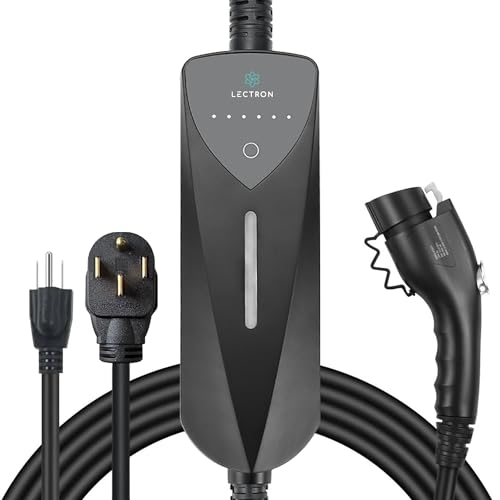
For Tesla owners seeking a portable charging solution, the Lectron Level 1/Level 2 EV Charger offers exceptional versatility with dual charging plugs.
Lectron Dual-Level EV Charger – ⭐⭐⭐⭐⭐ (4.3/5 stars, 2,847 reviews)
This portable charger excels in providing flexible charging options with both NEMA 5-15 and NEMA 14-50 plugs. Customer feedback highlights its reliability and convenience, with one reviewer noting: “Great charger, good price and I am using it outdoors in front of the house.” The ETL certification and IP65 weather resistance make it suitable for year-round use.
15/05/2026 6:57 am
Pros: Universal compatibility, portable design, dual voltage capability Cons: Slower Level 1 charging speeds, limited to 12 amps on standard outlets
Level 2 Charging (240V)
The ChargePoint Home Flex Level 2 EV Charger represents the gold standard for home Tesla charging with smart features and robust construction.
ChargePoint Home Flex EV Charger – ⭐⭐⭐⭐⭐ (4.4/5 stars, 3,521 reviews)
This charger delivers up to 50 amps of power and 37 miles of range per hour. Customer reviews consistently praise its build quality and app functionality. One verified purchaser commented: “ChargePoint takes great care in doing everything exceptionally well, from their instructional videos, to the packaging, to the list of included features.” The 23-foot cable and weatherproof design make it ideal for both indoor and outdoor installations.

15/05/2026 6:57 am
Pros: Excellent app integration, robust build quality, wide compatibility Cons: Higher price point, requires professional installation
Level 3 DC Fast Charging
While Level 3 DC fast chargers aren’t practical for home use due to their high cost and electrical requirements, Level 3 charging operates at 400-800 volts DC and can charge an EV battery from 10-90% in 30 minutes. These chargers are found at public charging stations and Tesla Supercharger locations.
Which Tesla Should You Choose? 🤔
Choose the Model 3 if:
- Budget is a primary concern (saves $37,500+ vs Model S)
- You prioritize fuel efficiency and lower operating costs
- Daily driving and commuting are your main uses
- You want Tesla’s latest technology at an accessible price
- Compact luxury sedan fits your lifestyle
Choose the Model S if:
- Maximum performance and luxury are priorities
- You need the longest possible range for road trips
- Interior space and comfort matter most
- You want the ultimate Tesla experience regardless of cost
- Status and prestige factor into your decision
The Bottom Line
The Model 3 makes Tesla ownership more accessible with its lower price, solid fuel economy ratings, and sharp handling. Meanwhile, the Model S surpasses the Model 3 in nearly every other area – it’s quicker, roomier, and more comfortable, with a refined interior and significantly more cargo space.
The Tesla Model 3 represents the sweet spot for most buyers, offering 90% of the Model S experience at 60% of the cost. However, if budget isn’t a constraint and you want the ultimate Tesla experience, the Model S delivers unmatched performance and luxury in the electric sedan segment.
Both vehicles showcase Tesla’s commitment to electric innovation, but your choice ultimately depends on whether you prioritize value and efficiency (Model 3) or maximum performance and luxury (Model S).
Related Posts
- Electric Car Batteries: Environmental Impact and Recycling Solutions
- Can I Install an EV Charger at Home Myself?
- Euro 7 Emissions Standards 2026: The Revolutionary New Rules Transforming European Cars
- Should You Buy An Electric Vehicle? Why the EV Dream is Failing in the UK While America Offers Hope
- How to Bleed Brakes on an Older Car Naturally