

Understanding Solar Panel Diodes: The Key to Maximum Energy Production
Solar panel diodes serve as the unsung heroes of photovoltaic systems, quietly ensuring optimal performance even when conditions aren’t perfect. These small electronic components make the difference between a solar installation that delivers consistent power and one that fails when faced with common challenges like shading, debris, or partial obstructions.
Modern solar installations face numerous obstacles that can dramatically reduce energy output. A single leaf, bird dropping, or shadow can potentially render an entire panel useless without proper protection. This is where diodes become indispensable, acting as electrical guardians that maintain power flow and protect your investment.
The Critical Role of Bypass Diodes in Solar Energy Systems
Bypass diodes represent one of the most important innovations in solar technology. The bypass diode is there to regulate the current and work within the array, ensuring that shaded or damaged cells don’t compromise the entire panel’s performance.
When solar cells encounter shading from clouds, trees, buildings, or even small debris, they can significantly reduce the current flow through the entire string. Without bypass diodes, a single shaded cell could force the entire panel to operate at dramatically reduced capacity, sometimes dropping output by 50% or more.
How Bypass Diodes Maintain Power Flow
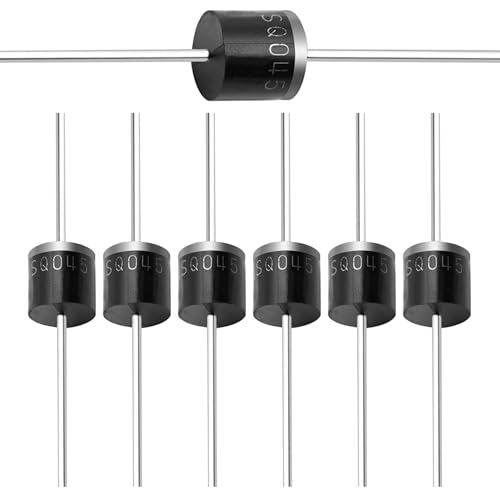
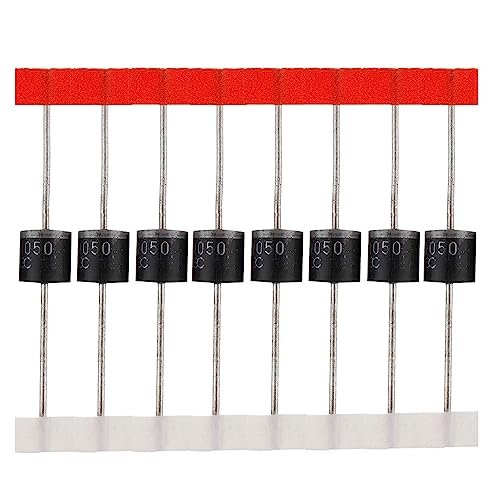
Bypass diodes connect in parallel across groups of solar cells, typically covering 18-24 cells per diode in standard panels. When cells underperform due to shading or damage, the diode ‘kicks in’, creating an alternate path for the electricity to flow around the shaded or damaged panel or string, instead of through it.
This mechanism prevents the formation of “hot spots” – areas where shaded cells can overheat and potentially cause permanent damage. The diode essentially creates a detour for electrical current, allowing the unaffected portions of the panel to continue generating power at their full capacity.
Modern solar panels typically incorporate three bypass diodes, with each diode protecting approximately one-third of the panel’s cells. This configuration ensures that even if one section becomes completely shaded, the remaining two-thirds can continue operating normally.
23/05/2026 12:14 am
Protection Against Hot Spot Formation
Hot spots occur when shaded cells are forced to dissipate power as heat rather than contributing to electrical generation. The output silicon cell group that are connected in reverse parallel to the solar silicon cell group in the cell module can effectively prevent the silicon cell from burning due to the hot spot effect.
Without bypass diodes, shaded cells can reach temperatures exceeding 100°C (212°F), potentially causing permanent damage including cell cracking, discoloration, and reduced lifespan. This protection is particularly crucial for installations in areas with frequent partial shading or where debris accumulation is common.
Understanding Blocking Diodes and Reverse Current Protection
While bypass diodes handle internal panel issues, blocking diodes protect against external system problems. A blocking diode allows the current to flow from the panel to the battery but blocks the flow in opposite direction, preventing potentially damaging reverse current flow.
In solar installations with battery storage, blocking diodes prevent batteries from discharging back through the panels during nighttime or low-light conditions. This reverse current flow can damage solar cells and drain stored energy, reducing system efficiency and component lifespan.
When Blocking Diodes Become Essential
Blocking diodes prove most valuable in:
Off-grid installations where battery banks store generated power for later use. Without blocking diodes, batteries could discharge through the panels during darkness, wasting stored energy and potentially damaging cells.
Multi-panel arrays where panels with different characteristics or orientations might create current imbalances. Blocking diodes prevent stronger panels from forcing current through weaker ones.
Motorhome and RV applications where panels may experience varying conditions as the vehicle moves between different environments and orientations.
For automotive diagnostic systems, just as OBD2 scanners like those reviewed in comprehensive OBD2 scanner guides help identify vehicle electrical issues, proper diode protection in solar systems prevents electrical problems before they cause damage.
Types of Diodes Used in Solar Applications
Two types of diodes are available as bypass diodes in solar panels and arrays: the PN-junction silicon diode and the Schottky barrier diode, each offering distinct advantages for different applications.
PN-Junction Silicon Diodes
Traditional silicon diodes offer excellent reliability and cost-effectiveness. They handle high currents well and provide robust protection against reverse voltage. However, they exhibit higher forward voltage drop (typically 0.7V), which can reduce system efficiency in some applications.
Schottky Barrier Diodes
Schottky diodes feature lower forward voltage drop (typically 0.3-0.4V), improving overall system efficiency. They also switch faster than silicon diodes, making them ideal for applications with rapidly changing conditions. However, they typically cost more and may have lower reverse voltage ratings.
Installation and Maintenance Considerations
Bypass diodes can be installed in the module junction box or integrated into the module itself, with most modern panels featuring factory-installed diodes for optimal protection.
Factory vs. Field Installation
Most contemporary solar panels include bypass diodes installed during manufacturing, ensuring proper placement and protection. These factory-installed diodes undergo rigorous testing and quality control, providing reliable long-term performance.
Field installation of diodes requires technical expertise and proper safety procedures. Incorrectly installed diodes can create safety hazards or fail to provide adequate protection. Professional installation ensures compliance with electrical codes and manufacturer warranties.
Maintenance and Monitoring
Regular inspection of diode functionality forms part of comprehensive solar system maintenance. Visual indicators of diode failure include:
- Unusual hot spots on panel surfaces
- Significant power output drops during partial shading
- Discoloration or damage to junction boxes
- Inconsistent performance between similar panels
Similar to how automotive systems require diagnostic tools for proper maintenance, as discussed in automotive electrical system guides, solar systems benefit from regular monitoring to ensure all protection systems function correctly.
Impact on System Performance and Efficiency
Properly functioning diodes significantly impact overall system performance. When a solar cell or cells are shaded, they can block the current flowing through the solar panel, but bypass diodes provide alternative current paths, maintaining power generation from unaffected areas.
Quantifying Performance Benefits
Studies show that bypass diodes can prevent 50-80% power losses in partially shaded conditions. In installations without diodes, a single shaded cell can reduce entire panel output to near zero. With proper diode protection, the same shading might only reduce output by 10-20%.
For mobile applications like RV installations, where panels regularly encounter varying shade patterns, diodes become even more critical. They ensure consistent power generation regardless of parking orientation or temporary obstructions.
Long-term System Protection
Beyond immediate performance benefits, diodes provide crucial long-term protection. They prevent thermal stress that can reduce panel lifespan, protect against voltage irregularities that might damage inverters or charge controllers, and maintain system reliability over decades of operation.
Just as understanding transmission systems helps in making informed automotive decisions, understanding diode protection helps optimize solar system design and performance.
Cost-Benefit Analysis of Diode Protection
The relatively small cost of diode protection provides substantial returns through improved performance and extended system life. Quality bypass diodes typically add less than 2% to panel costs while providing significant protection benefits.
Calculating Return on Investment
Consider a 5kW solar installation worth $15,000. Without diode protection, partial shading could reduce output by 50% during affected periods. With average electricity rates and typical shading patterns, diode protection can save hundreds of dollars annually in preserved energy generation.
The protection against hot spot damage provides additional value. Replacing damaged panels can cost $200-400 each, plus installation labor. Diodes prevent this damage for a fraction of the replacement cost.
Choosing the Right Diode Configuration
Selecting appropriate diode protection depends on specific installation requirements, environmental conditions, and system design goals.
Current and Voltage Ratings
Diodes must handle the full short-circuit current of protected cell groups, typically 8-12 amperes for standard panels. Voltage ratings should exceed the maximum reverse voltage that might occur during system operation.
Environmental Considerations
Installation location affects diode selection. High-temperature environments require diodes with elevated temperature ratings. Coastal installations need components rated for salt air exposure. Industrial areas may require enhanced pollution resistance.
System Integration
Diode selection must consider compatibility with inverters, charge controllers, and monitoring systems. Some advanced monitoring systems can detect individual diode failures, providing early warning of protection system issues.
Future Developments in Solar Panel Protection
Emerging technologies promise enhanced protection and monitoring capabilities. Smart diodes with built-in monitoring can report status information to system controllers. Advanced materials may provide better performance with lower costs.
Smart Monitoring Integration
Next-generation solar installations will feature comprehensive monitoring of protection systems. Real-time diode status reporting will enable predictive maintenance and immediate fault detection.
Enhanced Materials and Design
Research into new semiconductor materials and diode designs continues improving efficiency and reliability. These advances will provide better protection with minimal system impact.
Conclusion
Blocking and bypass diodes represent essential components in any serious solar installation. They provide critical protection against common problems while maintaining system performance in challenging conditions. Understanding their function and importance helps ensure optimal solar system design and long-term reliability.
Whether installing panels on a residential roof or outfitting a mobile RV system, proper diode protection makes the difference between a system that delivers consistent, reliable power and one that fails when conditions become challenging. The small investment in quality diode protection pays dividends through improved performance, extended system life, and peace of mind.
3 High-Competition Product Article Titles:
- “Best Portable Solar Panels for RV and Camping 2024: Complete Buyer’s Guide” – Focus on foldable panels from Renogy, Goal Zero, and Jackery
- “Top Solar Charge Controllers: MPPT vs PWM Performance Review 2024” – Compare Victron, EPEVER, and Morningstar controllers
- “Best Solar Power Banks and Portable Generators for Off-Grid Living 2024” – Review Jackery, Bluetti, and EcoFlow power stations
Related Posts
- VW T25 Westfalia For Sale
- Dramatic Lithium Battery Weight Reduction Benefits for Motorhome Adventures 🚐
- 10kW Solar System Cost UK: Complete Investment Analysis
- Transform Your Space: The Complete Epoxy Floor Coating Selection 🔧
- Should You Buy An Electric Vehicle? Why the EV Dream is Failing in the UK While America Offers Hope