

Why Every Rider Needs the Right Helmet Protection
Your motorcycle helmet isn’t just gear – it’s the difference between walking away from an accident and becoming a statistic. With motorcycle helmets reducing head injury risk by 69% and death risk by 42%, choosing the right one isn’t just smart, it’s essential for every ride you take.
Whether you’re a weekend warrior or daily commuter, understanding helmet technology, fit, and features can literally save your life. This guide breaks down everything you need to know about selecting, maintaining, and getting the most from your helmet investment.
Understanding Helmet Types: Finding Your Perfect Match 🎯
Full Face Helmets
The gold standard for protection, full face helmets cover your entire head and face. They’re mandatory for track days and offer superior protection against wind, debris, and impacts. The closed design also reduces wind noise significantly during highway riding.
Open Face Helmets
Popular among cruiser riders and city commuters, open face helmets provide excellent visibility and airflow while protecting the top, back, and sides of your head. However, they leave your face exposed to the elements and potential impacts.
Modular (Flip-Up) Helmets
Combining convenience with protection, modular helmets feature a chin bar that flips up for easy communication at gas stops or traffic lights. When closed, they offer near full-face protection, though they’re typically heavier due to the hinge mechanism.
Half Helmets
Offering minimal coverage, half helmets protect only the top of your head. While they provide maximum airflow and visibility, they offer the least protection and aren’t legal in all states.
Off-Road/Dual-Sport Helmets
Designed for adventure riding, these helmets feature extended visors, enhanced ventilation, and often accommodate goggles. They’re built for impacts from branches, rocks, and other trail hazards.
Getting the Perfect Fit: Size and Comfort Essentials 📏
Measuring Your Head
Use a flexible measuring tape to measure the circumference of your head about one inch above your eyebrows. This measurement, typically ranging from 20 to 25 inches, corresponds to helmet sizes from XS to XXL.
The Fit Test
A properly fitted helmet should feel snug without being painful. It shouldn’t move when you shake your head, and there should be no pressure points. The cheek pads should touch your cheeks firmly but not uncomfortably.
Break-In Period
New helmets often feel tight initially. Quality helmets use materials that compress slightly over time, creating a custom fit. However, a helmet that’s painful from day one is likely too small.
Safety Certifications: Your Protection Standards 🛡️
DOT (Department of Transportation)
The minimum legal standard in the United States, DOT certification ensures basic impact protection. Look for the DOT sticker on the back of any helmet sold in the US.
ECE 22.05 (Economic Commission for Europe)
Widely considered more rigorous than DOT, ECE certification includes testing for impact absorption, penetration resistance, and retention system strength. Many riders prefer ECE-certified helmets for their comprehensive testing.
Snell Memorial Foundation
The most stringent certification available, Snell testing goes beyond government requirements. Snell-certified helmets undergo more severe impact tests and are updated every five years as technology advances.
SHARP (Safety Helmet Assessment and Rating Programme)
A UK-based rating system that provides star ratings (1-5) for helmet safety based on comprehensive testing. SHARP ratings help compare safety levels between different helmet models.
Essential Helmet Features and Technology 🔧
Ventilation Systems
Modern helmets feature sophisticated airflow systems with intake vents at the front and exhaust vents at the rear. Quality ventilation prevents fogging, reduces heat buildup, and improves comfort during long rides.
Visor Technology
- Anti-fog coatings prevent condensation buildup
- Photochromic visors adjust to changing light conditions
- Pinlock systems create a dual-pane barrier against fogging
- Quick-release mechanisms allow fast visor changes
Shell Materials
- Polycarbonate: Lightweight and impact-resistant, ideal for budget-conscious riders
- Fiberglass composite: Offers excellent strength-to-weight ratio
- Carbon fiber: Premium material providing maximum strength with minimal weight
- Kevlar: Exceptional impact resistance, often used in racing helmets
Retention Systems
Double-D rings remain the gold standard for track use, while quick-release buckles offer convenience for street riding. The retention system should hold the helmet securely without excessive pressure on your throat.
Premium Helmet Recommendation: Maximum Protection
Shoei RF-1400 Full Face Motorcycle Helmet
The Shoei RF-1400 represents the pinnacle of helmet engineering, combining advanced aerodynamics with superior impact protection. This flagship model features a lightweight fiberglass shell, sophisticated ventilation system, and Shoei’s renowned build quality that has protected professional racers for decades.

06/11/2025 7:59 am
✅ Pros:
- Exceptional build quality and materials
- Superior aerodynamics reduce wind noise and buffeting
- Comprehensive ventilation system with 7 intake and 4 exhaust vents
- Emergency Quick Release System for first responders
❌ Cons:
- Premium price point ($500+)
- May feel heavy compared to carbon fiber alternatives
- Limited color options in some sizes
Key Features:
- Multi-ply fiberglass shell construction
- Dual-layer EPS liner for impact absorption
- CWR-F2 shield with anti-fog preparation
- Removable, washable interior padding
- DOT and Snell M2020D certified
Best For: Serious riders who prioritize maximum protection and comfort for long-distance touring or track days.
Mid-Range Excellence: Balancing Features and Value
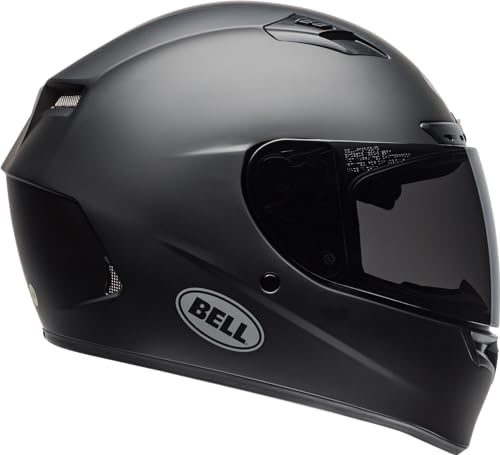
Bell Qualifier DLX MIPS Full Face Helmet
The Bell Qualifier DLX MIPS brings premium safety technology to the mid-range market with its MIPS (Multi-directional Impact Protection System) that reduces rotational forces during angled impacts. This helmet proves that advanced protection doesn’t require a premium price tag.
06/11/2025 7:59 am
✅ Pros:
- MIPS technology for enhanced protection
- Excellent ventilation for the price point
- Wide variety of graphic designs
- Transitions shield adapts to light conditions
❌ Cons:
- Polycarbonate shell is heavier than composite materials
- Interior padding quality could be improved
- Wind noise noticeable at highway speeds
Key Features:
- MIPS impact protection system
- Velocity Flow ventilation with 5 intake and 2 exhaust ports
- Transitions adaptive shield technology
- Tool-free shield removal system
- DOT certified with ECE approval
Best For: Budget-conscious riders seeking modern safety technology without compromising essential features.
Budget-Friendly Protection: Essential Safety
HJC i10 Full Face Motorcycle Helmet
The HJC i10 proves that effective protection doesn’t require breaking the bank. This entry-level helmet delivers solid safety standards with practical features that new riders and occasional motorcyclists will appreciate.

06/11/2025 7:59 am
✅ Pros:
- Affordable pricing under $100
- Wide size range accommodates most head shapes
- Basic but functional ventilation
- Multiple color options available
❌ Cons:
- Limited advanced features
- Heavier than premium alternatives
- Basic interior padding
- Shield replacement options limited
Key Features:
- Advanced polycarbonate shell
- Dual-stage EPS liner
- SuperCool moisture-wicking interior
- RapidFire shield replacement system
- DOT certification
Best For: New riders, occasional motorcyclists, or those needing a backup helmet without premium features.
Proper Helmet Maintenance: Extending Lifespan and Performance 🧽
Regular Cleaning
Clean your helmet’s exterior with mild soap and water, avoiding harsh chemicals that can damage the shell or visor. Remove and wash interior padding monthly or after particularly sweaty rides.
Visor Care
Clean visors with appropriate cleaning solutions and microfiber cloths. Never use paper towels or rough materials that can scratch the surface. Replace scratched visors immediately as they impair vision.
Storage Best Practices
Store helmets in cool, dry places away from direct sunlight. Avoid leaving helmets in hot cars or near heat sources, as excessive heat can damage the EPS liner and shell materials.
Replacement Timeline
Replace helmets every 5 years regardless of visible damage, as materials degrade over time. Always replace immediately after any impact, even if damage isn’t visible – the EPS liner may be compromised.
Advanced Helmet Technology: What’s Next? 🚀
Smart Helmets
Modern helmets integrate Bluetooth communication systems allowing riders to stay connected while maintaining focus on the road. Features include GPS navigation, music streaming, and hands-free calling.

06/11/2025 7:59 am
Head-Up Displays
Emerging technology projects navigation and vital information directly onto the visor, reducing the need to look away from the road. While still developing, this technology promises to enhance safety and convenience.
Impact Detection
Some premium helmets now include sensors that detect crashes and automatically alert emergency contacts. This technology can be life-saving for solo riders in remote areas.
Making Your Investment: Budget and Value Considerations 💰
Price Ranges Explained
- Entry Level ($50-150): Basic protection meeting DOT standards
- Mid-Range ($150-400): Enhanced features, better materials, improved comfort
- Premium ($400-800): Advanced materials, superior ventilation, racing-derived technology
- Professional ($800+): Carbon fiber construction, latest safety innovations
Value vs. Cost
While expensive helmets offer advanced features, a properly fitted mid-range helmet often provides better protection than an ill-fitting premium model. Prioritize fit and safety certifications over brand prestige.
When to Invest More
Consider premium helmets if you ride frequently, participate in track days, or prioritize weight savings for long tours. Weekend riders may find mid-range options perfectly adequate.
Helmet Laws and Regulations: Know Your Requirements 📋
State-by-State Variations
Helmet laws vary significantly across states, with some requiring all riders to wear helmets while others have age or experience exemptions. Research your local laws and any states you plan to ride through.
International Considerations
If touring internationally, ensure your helmet meets local certification requirements. ECE certification is widely accepted globally, while DOT is primarily recognized in North America.
The Bottom Line: Your Head’s Best Investment 🏆
Choosing the right motorcycle helmet is one of the most important decisions you’ll make as a rider. The perfect helmet combines proper fit, appropriate safety certifications, and features that match your riding style and budget.
Remember that the most expensive helmet isn’t necessarily the best choice – the best helmet is one that fits properly, meets safety standards, and encourages you to wear it every single ride. Whether you choose a premium carbon fiber model or a reliable entry-level option, consistent use is what ultimately protects you.
Don’t compromise on safety, but don’t feel pressured to buy more helmet than you need. Focus on fit, certifications, and features that enhance your specific riding experience. Your head – and your loved ones – will thank you for making an informed choice.
Related Resources:
Related Posts
- 2 Stroke vs 4 Stroke Dirt Bike: Complete Beginner’s Engine Guide
- How to Overcome Your Fear of Riding a Motorcycle: A Complete Guide for Anxious Riders 🏍️
- Why Every Rider Should Take a Motorcycle Safety Course (Even Experienced Ones) 🏍️
- How to Seal Motorcycle Tires: Complete Protection Against Punctures
- Can You Patch a Motorcycle Tire? The Ultimate Repair Safety Analysis