

Why Your Upholstery Choice Matters More Than You Think

Choosing between Softex and leather for your next vehicle or furniture purchase affects far more than just aesthetics. This decision impacts your budget, maintenance routine, environmental footprint, and daily comfort for years to come. Whether you’re shopping for a new Toyota with premium seating options or selecting furniture upholstery, understanding the real differences between these materials can save you thousands of dollars and countless hours of maintenance.
In this comprehensive guide, we’ll break down everything you need to know about Softex vs leather, from durability and cost analysis to environmental impact and real-world performance. By the end, you’ll have a clear framework for making the right choice based on your specific needs, lifestyle, and values.
What is Softex? Understanding Synthetic Leather Technology
Softex represents the latest evolution in synthetic leather technology, designed specifically to address the limitations of traditional materials. Unlike basic vinyl or early synthetic alternatives, Softex uses advanced polymer engineering to create a material that closely mimics leather’s appearance and feel while offering superior performance in key areas.
Manufacturing Process and Materials
The production of Softex involves layering specialized polymers and synthetic materials to create a durable, flexible surface. This controlled manufacturing process allows for consistent quality and performance characteristics that can actually exceed natural leather in specific applications.
Key Properties and Characteristics




07/11/2025 5:35 pm
What sets Softex apart from traditional synthetic leather is its breathability and texture. The material is engineered to be softer and more lightweight than leather, while maintaining durability that many users find superior to genuine leather over time.
Applications Beyond Automotive
While Toyota popularized Softex in automotive applications, the technology has expanded into furniture, marine upholstery, and commercial seating where durability and easy maintenance are priorities.
Genuine Leather: Traditional Material Benefits and Drawbacks
Genuine leather remains the gold standard for luxury and natural appeal. Its unique characteristics come from the natural grain structure and aging process that synthetic materials cannot fully replicate.
Types of Genuine Leather
Not all leather is created equal. Full-grain leather offers the highest quality and durability, while corrected-grain and split leather provide more affordable options with varying performance characteristics. Understanding these differences is crucial when comparing to Softex alternatives.
Natural Aging and Patina Development
One of leather’s most appealing qualities is how it develops character over time. The natural patina that develops with use creates a unique appearance that many consumers value highly.
Premium Feel and Status Appeal
The tactile experience and perceived luxury of genuine leather continue to make it a preferred choice for high-end applications, despite practical limitations in maintenance and durability.
Head-to-Head Comparison: Durability and Maintenance
The most practical considerations for most buyers center on how these materials perform over time and what maintenance they require.
Cleaning and Stain Resistance
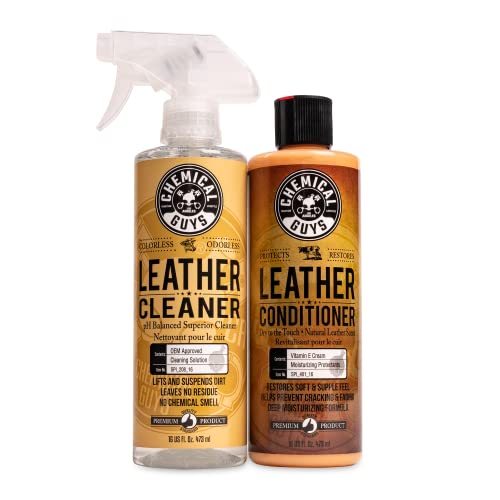
Softex demonstrates clear advantages in everyday maintenance. SofTex is easier to clean and maintain than leather, while leather needs to be conditioned regularly to extend its longevity and prevent early cracking. Simple soap and water typically handle most stains on Softex, while leather requires specialized cleaners and conditioning products.
Scratch and Tear Resistance
Pet owners particularly appreciate Softex’s resistance to scratches and tears. The synthetic material doesn’t collect pet hair as readily as leather and shows remarkable resistance to damage from claws or sharp objects.
Long-term Durability Factors
While leather can last decades with proper care, Softex often outlasts leather in high-use applications without requiring the same level of maintenance investment. The synthetic material doesn’t dry out, crack, or fade as readily as natural leather.
Cost Analysis: Initial Investment vs Long-Term Value
Understanding the total cost of ownership requires looking beyond the initial purchase price to include maintenance, replacement, and resale considerations.
Upfront Cost Comparison
Softex typically costs 30-50% less than comparable leather options initially. SofTex seats are less expensive than leather seats but more expensive than fabric seats, positioning them as a middle-ground option that delivers premium feel without premium pricing.
Maintenance and Care Expenses
Leather requires regular conditioning, specialized cleaning products, and occasional professional treatment to maintain appearance and prevent cracking. These costs can add hundreds of dollars annually for high-use applications. Softex maintenance costs remain minimal throughout its lifespan.
Resale Value Considerations
While leather traditionally holds higher resale value, the gap has narrowed significantly as synthetic leather quality has improved. In practical applications like family vehicles, the maintained appearance of well-cared-for Softex often exceeds that of leather.
Environmental Impact and Sustainability
Environmental considerations increasingly influence material choices, and the comparison between Softex and leather reveals surprising complexities.
Carbon Footprint Comparison
Recent studies show nuanced environmental impacts for both materials. Carbon emissions for natural leather stand at 17.0 kg of CO2 per square meter, while synthetic leather produces 15.8 kg of CO2 per square meter in total supply chain impact.
Animal Welfare Considerations
Softex production requires no animal products, making it the clear choice for consumers prioritizing animal welfare. The leather industry is responsible for 15% of human-induced greenhouse gas emissions and uses large quantities of water and chemicals in the tanning process.
Making Your Decision: Practical Framework
Your choice between Softex and leather should align with your specific priorities and usage patterns.
Choose Softex if you prioritize:
- Lower maintenance requirements
- Pet-friendly durability
- Cost-effective premium feel
- Environmental and animal welfare concerns
- Consistent long-term appearance
Choose Leather if you value:
- Traditional luxury appeal
- Natural material properties
- Unique aging characteristics
- Maximum resale value
- Authentic texture and feel
Future Trends and Considerations
The synthetic leather industry continues advancing rapidly, with new bio-based alternatives and improved manufacturing processes emerging regularly. As environmental regulations tighten and consumer preferences shift toward sustainable options, synthetic alternatives like Softex are likely to gain further market share.
Traditional leather production is also evolving, with cleaner tanning processes and more sustainable sourcing becoming industry standards. The choice between these materials will likely become even more nuanced as both industries address their environmental impacts.
For most consumers in 2025, Softex offers the optimal balance of performance, cost, and environmental responsibility. However, leather remains unmatched for those prioritizing traditional luxury and natural materials.
Ready to make your choice? Consider your specific needs, budget, and values using the framework we’ve outlined. Both materials can serve you well when properly matched to your requirements and expectations.
Related Posts
- 10kW Solar System Cost UK: Complete Investment Analysis
- How to Remove Bad Ceramic Coating: A Complete DIY Guide 🚗
- The Complete Guide to Getting the Best Deal on a Used Car
- Car Leasing: Smart Financial Choice for Your Next Vehicle
- Ceramic Wax for Cars: The Ultimate Protection That Lasts 4X Longer Than Traditional Wax