
Complete Guide to Starting Your Off-Grid Journey Without Breaking the Bank
Learn how to live off grid with no money using practical strategies for sustainable living, energy independence, and self-sufficient food production without financial resources.
Living off-grid without substantial financial resources isn’t just possible—it’s increasingly necessary for those seeking genuine independence from traditional systems. This comprehensive guide reveals proven strategies to establish sustainable, self-sufficient living while maintaining minimal expenses and maximum freedom.
Assessing Your Current Resources and Essential Needs
Before transitioning to off-grid living, conduct a thorough inventory of your available assets and non-negotiable requirements. Create a detailed assessment covering:
Essential survival needs: Clean water access, adequate shelter, reliable food sources, and weather-appropriate clothing form your foundation. Each category requires specific solutions that can be achieved through resourcefulness rather than large financial investments.


15/05/2026 7:49 am
Available resources evaluation: Document your existing tools, equipment, skills, and any land access you might have. Even small urban spaces can support container gardens and rainwater collection systems. Don’t overlook less obvious assets like your knowledge base, physical abilities, and social connections.
Financial reality check: Determine your absolute minimum cash requirements for property taxes, basic medical needs, or emergency supplies that cannot be self-produced. This baseline helps prioritize where limited funds should be allocated most effectively.
Modern off-grid living succeeds through intelligent resource allocation rather than expensive equipment purchases. The key lies in maximizing what you already possess while gradually building sustainable systems over time.
Finding Affordable Land for Off-Grid Living
Securing suitable property represents the most significant challenge for budget-conscious off-grid living. However, several creative approaches can provide access without traditional mortgage payments.
Rural property opportunities: Search for owner-financed land, tax-defaulted properties, or parcels in areas with relaxed building codes. Counties with declining populations often offer land at below-market rates. Focus on regions where alternative building methods are permitted, reducing construction costs significantly.
Caretaking arrangements: Many property owners need reliable caretakers for seasonal properties, farms, or rural land. These arrangements often provide housing in exchange for maintenance work, creating opportunities for establishing off-grid systems without land ownership.
For those seeking reliable portable power solutions during the transition phase, exploring reviews of top-rated power stations can help identify equipment that provides consistent energy independence while maintaining budget consciousness.
Land-sharing communities: Intentional communities and eco-villages sometimes offer affordable land-sharing arrangements. These partnerships can provide access to larger properties while sharing infrastructure costs and maintenance responsibilities.
Critical evaluation factors: Prioritize water access above all other features—reliable water sources eliminate the largest ongoing expense. Consider soil quality for food production, solar exposure for energy generation, and local regulations regarding alternative building methods.
Developing Sustainable Energy Systems on a Budget
Energy independence forms the cornerstone of successful off-grid living, but expensive solar installations aren’t the only path to power generation.
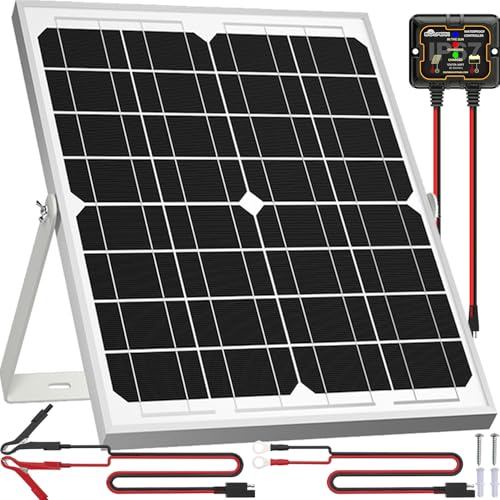
Solar power alternatives: Start with small-scale solar charging systems using individual panels and deep-cycle batteries. Build capacity gradually by adding panels and battery storage as resources allow. Used solar equipment often provides excellent value while delivering reliable performance.

15/05/2026 7:49 am
Wind power solutions: Simple wind turbines can be constructed using salvaged materials in areas with consistent wind patterns. Vertical axis designs work well in turbulent conditions and require minimal maintenance compared to traditional horizontal turbines.

15/05/2026 7:49 am
Micro-hydroelectric systems: Properties with flowing water can generate electricity using simple turbine designs. Even small streams can power LED lighting and charge batteries through properly designed micro-hydro installations.
Energy conservation strategies: Reduce consumption through efficient LED lighting, proper insulation, and eliminating phantom loads from electronics. Energy-efficient appliances designed for RV use consume significantly less power than standard household equipment.

15/05/2026 7:49 am
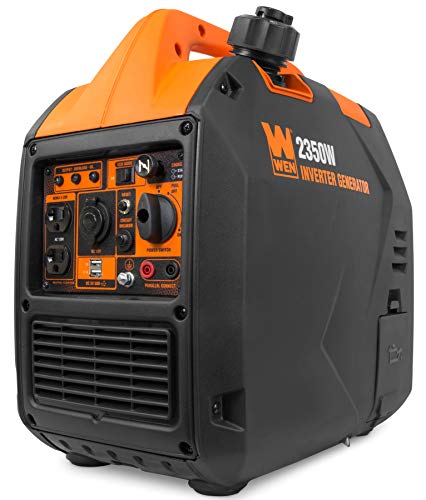
The most effective approach combines multiple energy sources rather than relying on single systems. This diversification ensures power availability during varying weather conditions while spreading costs over time.
When evaluating portable power solutions for temporary or backup needs, comprehensive reviews of solar generators can guide selection toward units offering the best performance-to-cost ratio for extended off-grid use.
Sustainable Food Production and Foraging
Food security requires developing multiple production and sourcing strategies that function year-round without ongoing expenses.
Garden development: Establish productive gardens using permaculture principles that build soil fertility naturally. Focus on perennial crops like fruit trees, berry bushes, and asparagus that produce for decades after initial establishment. Seed saving eliminates ongoing seed costs while preserving locally adapted varieties.
Food preservation mastery: Learn traditional preservation methods including fermentation, dehydration, root cellaring, and smoking. These techniques extend growing seasons and create food security without electricity-dependent freezing or canning equipment.
Wild food harvesting: Develop skills in identifying and sustainably harvesting wild edibles native to your region. Mushrooms, wild greens, nuts, and berries can supplement garden produce while providing nutrients often lacking in cultivated foods.
Protein sources: Consider raising rabbits, chickens, or other small livestock that convert garden waste into high-quality protein. Fish farming in small ponds or aquaponics systems can provide both fish and vegetables in integrated systems.
Successful food production requires understanding local growing conditions and seasonal patterns. Start small with intensive production methods that can be expanded as experience and resources grow.
Water Management and Conservation Systems
Reliable water access determines the viability of any off-grid location, making water management systems essential for long-term success.
Rainwater harvesting: Design collection systems using roof surfaces, tarps, or other catchment areas. Simple first-flush diverters improve water quality while reducing storage tank contamination. Calculate collection potential based on local rainfall patterns and roof area.


15/05/2026 7:49 am
Greywater recycling: Reuse water from sinks, showers, and washing machines for irrigation through simple filtration systems. Avoid using harsh chemicals and switch to biodegradable soaps to maintain soil health in irrigation areas.
Water conservation techniques: Install low-flow fixtures, fix leaks immediately, and practice water-efficient habits. Composting toilets eliminate the largest single water consumption in most households while creating valuable fertilizer.
Natural water sources: Wells, springs, and surface water require testing and appropriate treatment. Simple sand filtration combined with UV sterilization or boiling can make most water sources safe for consumption.
Water storage capacity should equal at least two weeks of consumption during dry periods. Multiple smaller containers often work better than single large tanks for maintenance and flexibility.
Waste Management and Environmental Responsibility
Effective waste management protects both environmental health and legal compliance in off-grid situations.
Composting systems: Establish multiple composting areas for different waste streams including food scraps, human waste, and organic materials. Proper composting eliminates waste disposal costs while creating valuable soil amendments.

15/05/2026 7:49 am
Recycling and reuse: Minimize waste generation through careful purchasing decisions and maximum reuse of materials. Glass jars become storage containers, metal cans serve as planters, and cardboard provides garden mulch.
Hazardous waste handling: Properly dispose of batteries, electronics, and chemicals through appropriate recycling programs. These materials cannot be composted or burned safely and require periodic trips to disposal facilities.
Zero-waste principles guide successful off-grid waste management. Every item entering your property should have a planned use, reuse, or disposal method that doesn’t create environmental problems.
Building Community and Support Networks
Isolation poses significant risks in off-grid living, making community connections essential for both safety and resource sharing.
Skill sharing networks: Connect with others practicing similar lifestyles to share knowledge, tools, and labor. Barn raising traditions demonstrate how communities can accomplish major projects through cooperative effort rather than individual expense.
Emergency preparedness: Establish communication systems and emergency protocols with nearby neighbors or family members. Solar-powered radios and satellite communicators provide connectivity during emergencies when cell service fails.
For those researching reliable communication and power backup systems, detailed reviews of emergency preparedness equipment can help identify solutions that maintain connectivity during extended off-grid periods.
Resource sharing: Coordinate with others to share expensive tools, bulk purchasing opportunities, and seasonal labor needs. Community gardens and tool libraries reduce individual costs while building social connections.
Local integration: Participate in local farmers markets, community events, and volunteer activities. These connections provide opportunities for bartering, finding work, and accessing resources not available through purely self-sufficient means.
Success in off-grid living depends heavily on balancing independence with strategic interdependence. Complete isolation rarely proves sustainable long-term, while thoughtful community engagement enhances both security and opportunities.