
The Real Truth About Two-Wheeler Safety Statistics
Every ride begins with a clear mind and proper preparation. Your safety depends more on your decisions and preparation than on the specific vehicle you choose to ride.
Both motorcycles and bicycles share the road’s vulnerabilities, but recent statistics reveal striking differences in their safety profiles. Understanding these differences could save your life.
Motorcycle riders continue to be overrepresented in fatal traffic crashes. In 2023, there were 6,335 motorcyclists killed — 15% of all traffic fatalities. When comparing fatality rates, the data tells a sobering story: motorcycle accidents are approximately twice as likely to result in death compared to bicycle accidents.
Despite this reality, both vehicles require identical safety approaches and defensive riding strategies. The fundamental challenge remains that neither provides the protective cage of a car, making rider behavior and protective equipment critical survival factors.
Key Safety Statistics:
- Motorcycle fatalities 2018: 4,985 deaths
- Bicycle fatalities 2018: 857 deaths
- Fatality ratio: Nearly 6:1 motorcycles to bicycles
However, these numbers don’t account for exposure rates – motorcycles typically travel at higher speeds for longer distances, while bicycles predominantly operate in urban environments at lower velocities.
Understanding the Core Differences
Speed and Power Dynamics Motorcycles possess engine-driven acceleration that can reach highway speeds within seconds. This power advantage creates both opportunities and dangers – faster acceleration away from hazards, but also greater impact forces during collisions.
Bicycles rely entirely on human power, naturally limiting speeds to typically 15-25 mph in most riding conditions. This speed restriction significantly reduces kinetic energy during impacts, though it doesn’t eliminate serious injury risk.
Traffic Integration Requirements Motorcycles do not have the luxury of special roads and lanes and have to move with other vehicles on the road, in mainstream traffic. This means bikers have to take more caution on the road. Motorcycles must navigate alongside cars, trucks, and commercial vehicles on highways and arterial roads.
Many urban areas provide dedicated bicycle infrastructure including bike lanes, protected paths, and separate traffic signals. When available, this infrastructure dramatically improves bicycle safety by reducing vehicle interaction points.
Essential Safety Equipment That Saves Lives
Helmet Technology and Protection Standards
DOT and ECE Certification Standards If you’re ever in a serious motorcycle crash, the best hope you have for protecting your brain is a motorcycle helmet. Always wear a helmet that meets U.S. Department of Transportation (DOT) Federal Motor Vehicle Safety Standard (FMVSS) 218.
Modern motorcycle helmets undergo rigorous testing for impact absorption, penetration resistance, and chin strap integrity. The newest ECE 22.06 standard addresses rotational forces during crashes, providing enhanced protection compared to previous generations.
For cyclists, helmet technology has advanced significantly with MIPS (Multi-directional Impact Protection System) becoming standard in quality helmets. While bicycle helmets aren’t legally required in all jurisdictions, they provide crucial protection for the most vulnerable part of your body.
Protective Clothing Systems
Motorcycle Gear Requirements Arms and legs should be completely covered when riding a motorcycle, ideally by wearing leather or heavy denim. In addition to providing protection in a crash, protective gear also helps prevent dehydration.
Essential motorcycle protection includes:
- Full-face helmet with DOT/ECE certification
- Armored jacket with back protection
- Protective pants with knee/hip armor
- Gloves with knuckle protection
- Boots covering ankles completely
Bicycle Safety Equipment Cyclists require different protection due to increased mobility needs:
- Lightweight helmet with proper ventilation
- High-visibility clothing for day/night riding
- Padded gloves for grip and protection
- Knee/elbow pads for aggressive riding
- Reflective accessories for visibility enhancement
Critical Safety Practices for Both Vehicles
Traffic Law Compliance and Visibility
Both motorcycles and bicycles must follow identical traffic laws, but enforcement and visibility challenges differ significantly. Keep your headlights on night and day. Studies show that keeping your headlights on high beam during daylight hours increases your visibility to oncoming traffic and prevents accidents.
Visibility Enhancement Strategies:
- Daytime running lights for motorcycles
- Bright LED lights for bicycles (front/rear)
- Reflective tape on helmets and clothing
- High-contrast colors in gear selection
- Lane positioning for maximum visibility
Defensive Riding Techniques
Speed Management Principles In 2017, 36% of all motorcyclists involved in fatal accidents were speeding at the time of the accident. Speed kills. This statistic applies equally to cyclists, though their lower maximum speeds reduce severity.
Both riders must assess road conditions continuously:
- Weather conditions affecting traction
- Traffic density requiring reduced speeds
- Road surface quality impacting control
- Visibility conditions limiting reaction time
Following Distance and Escape Routes A motorcycle ordinarily requires as much stopping distance as an automobile. Following too closely is a major cause of accidents.
Maintain adequate following distances:
- 3-second rule minimum in ideal conditions
- 4-6 seconds in adverse weather
- Multiple escape routes always identified
- Buffer zones from other vehicles
Impairment and Emotional State
Alcohol and Substance Impact Never operate any vehicle under the influence. Alcohol impairs judgment, slows down your reflexes and may cause you to doze off on your seat. Being on two wheels requires maximum concentration and alertness.
Mental Preparedness Requirements Both motorcycles and bicycles demand complete mental focus:
- Emotional stability before riding
- Fatigue management on longer trips
- Distraction elimination including phones
- Continuous hazard assessment while riding
Advanced Training and Skill Development
Professional Instruction Benefits
Motorcycle Safety Foundation is the country’s leading safety resource and advocate for motorcyclists. We create world-class education and training systems for riders of every experience level. Professional training provides skills impossible to develop independently.
Essential Training Components:
- Emergency braking techniques
- Evasive maneuvering skills
- Hazard recognition training
- Low-speed control mastery
- Group riding protocols
Local cycling organizations offer similar structured training focusing on urban navigation, group riding safety, and mechanical skills. For specific training opportunities, check motorcycle safety courses in your area.
Continuous Skill Maintenance
Both motorcycle and bicycle riders benefit from regular skills practice:
- Parking lot practice sessions for technique refinement
- Slow-speed maneuvering to build confidence
- Emergency response drills for muscle memory
- Weather condition training for adaptability
Maintenance and Pre-Ride Safety Checks
Critical Inspection Points
Motorcycle Maintenance Priorities For motorcycles, check the brakes, clutch, throttle lever, lights, and leaks of any oils or fluids and take the bike for professional service every few months.
Essential motorcycle checks include:
- Tire pressure and tread depth
- Brake fluid levels and response
- Chain tension and lubrication
- Light functionality (all systems)
- Fluid leak detection
Bicycle Maintenance Essentials Checking your brakes, for cyclists, are most important, then your chain and wheels. Ensure tires are inflated and spokes well in place.
For detailed maintenance guidance, visit resources about motorcycle tire safety and proper care techniques.
Environmental and Weather Considerations
Weather-Related Risks
Excessive rain, fog, snow and especially at night in areas you are not very familiar with, is not a wise move. Whether cycling or biking, you will be putting yourself in a dangerous spot.
High-Risk Conditions:
- Heavy precipitation reducing traction
- Fog limiting visibility to dangerous levels
- Snow/ice creating unpredictable surfaces
- High winds affecting vehicle stability
- Extreme temperatures impacting rider performance
Route Planning and Risk Assessment
Smart route selection reduces exposure to hazards:
- Familiar roads with known conditions
- Well-lit areas for night riding
- Lower traffic volumes when possible
- Good road surface conditions
- Emergency shelter availability
Technology and Modern Safety Enhancements
Communication and Navigation Systems
Modern riders benefit from integrated technology:
- Bluetooth communication systems for group riding
- GPS navigation with helmet integration
- Emergency contact systems for automatic alerts
- Weather monitoring apps for condition updates
For overcoming riding anxiety and building confidence, explore resources about motorcycle fear management and gradual skill building.
Top-Rated Safety Equipment Recommendations
HJC i71 Full-Face Motorcycle Helmet
The HJC i71 represents exceptional value in motorcycle protection, meeting the latest ECE R22.06 safety standards. Because it complies with the most recent ECE R22.06 safety standard, it is also one of the safest lids on the market.

24/07/2026 9:16 am
Key Features:
- Advanced polycarbonate shell for lightweight protection
- Pinlock-ready HJ-38 visor with 99% UV protection
- 3-position adjustable sun visor for optimal visibility
- Moisture-wicking interior with removable, washable padding
- Smart HJC ready for Bluetooth integration
- Weight: Only 3.75 lbs for comfort during long rides
This helmet offers professional-grade protection at an accessible price point, making it ideal for both new and experienced riders seeking reliable safety equipment.
KLIM Krios Pro Adventure Helmet
For adventure riders requiring maximum versatility, the KLIM Krios Pro excels across diverse conditions. This ultralightweight design diminished fatigue while steering off-kilter rocks and gritty trails as well as blasting down the Interstate.

24/07/2026 9:16 am
Standout Features:
- Carbon fiber construction for superior strength-to-weight ratio
- Fidlock magnetic closure for easy operation with gloves
- Dual-position peak for sun protection and aerodynamics
- Sena Bluetooth compatibility for seamless communication
- Advanced ventilation system for temperature control
- MIPS technology for rotational impact protection
The Krios Pro’s versatility makes it perfect for riders who transition between street and off-road environments.
Bell Race Star DLX Flex Track Helmet
For riders prioritizing track performance and daily comfort, the Bell Race Star DLX Flex leads the premium category. The Bell Race Star DLX Flex ($820), which has extremely easy-to-remove pads that are integrated with magnets. Plus, the pads are dual-density and ultra-comfortable, while the shell’s breathability is excellent.

24/07/2026 9:16 am
Performance Features:
- Photochromic visor automatically adjusting to light conditions
- Magnetic pad removal system for effortless maintenance
- Dual-density padding for enhanced comfort
- Superior aerodynamics for high-speed stability
- Quiet operation reducing rider fatigue
- Professional racing heritage with proven track record
This represents the pinnacle of motorcycle helmet technology for serious enthusiasts.
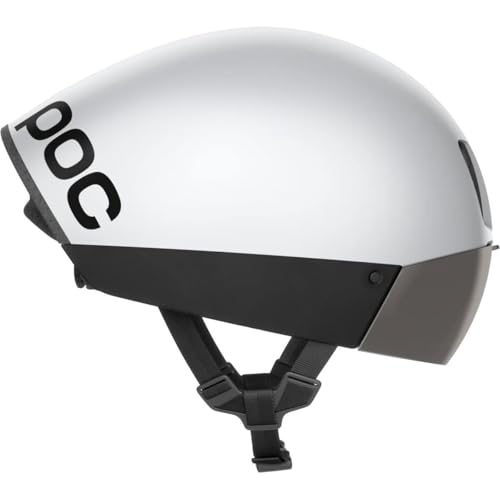
POC Procen Air Road Cycling Helmet
For cyclists seeking aerodynamic advantage without sacrificing safety, the POC Procen Air delivers exceptional performance. The POC Procen Air was the fastest helmet in our Wind Tunnel tests. It’s a divisive-looking helmet for road racing, but if you care about speed above all else, this is the one to choose.
24/07/2026 9:16 am
Racing Features:
- Wind tunnel-optimized design for maximum speed
- MIPS Air technology for impact protection
- Lightweight construction reducing neck fatigue
- Excellent ventilation despite aerodynamic focus
- Race-proven performance in professional competitions
This helmet suits competitive cyclists prioritizing performance and safety equally.
Specialized Ambush 2 Mountain Bike Helmet
Mountain bikers require enhanced protection with maximum airflow, making the Specialized Ambush 2 ideal for aggressive trail riding. Our team’s favorite helmet is the Specialized Ambush 2. Its impressive air flow characteristics and top rated impact performance make it our go-to helmet.

24/07/2026 9:16 am
Trail-Specific Features:
- Computational fluid dynamics design for optimal airflow
- MIPS SL system replacing traditional liner for better ventilation
- Integrated eyewear storage under visor
- Extended rear coverage for additional protection
- Lightweight construction for all-day comfort
- Impact testing excellence in laboratory conditions
This helmet excels for riders tackling challenging terrain requiring maximum protection and cooling.
Statistical Reality and Risk Assessment
While comparing absolute safety between motorcycles and bicycles remains complex due to varying exposure factors, the data clearly shows motorcycles carry higher fatality risks. However, this shouldn’t deter riding either vehicle – instead, it should emphasize the critical importance of:
- Proper training and certification
- Quality protective equipment
- Defensive riding strategies
- Regular skill maintenance
- Environmental awareness
Motorcycles and bicycles are extremely similar and it is difficult to conclude that one is safer than the other. Preference, passion, and dedication to riding one or the other are what drives one to own and ride.
Both forms of transportation offer tremendous rewards when approached with proper respect for their inherent risks. The key lies not in choosing the “safer” option, but in maximizing safety through education, equipment, and responsible riding practices.
Related Posts
- 2 Stroke vs 4 Stroke Dirt Bike: Complete Beginner’s Engine Guide
- How to Overcome Your Fear of Riding a Motorcycle: A Complete Guide for Anxious Riders 🏍️
- How to Seal Motorcycle Tires: Complete Protection Against Punctures
- Can You Patch a Motorcycle Tire? The Ultimate Repair Safety Analysis
- How Dangerous Are Motorcycles? Essential Safety Tips Every Rider Must Know