
The Ultimate F1 Experience for Your Garage
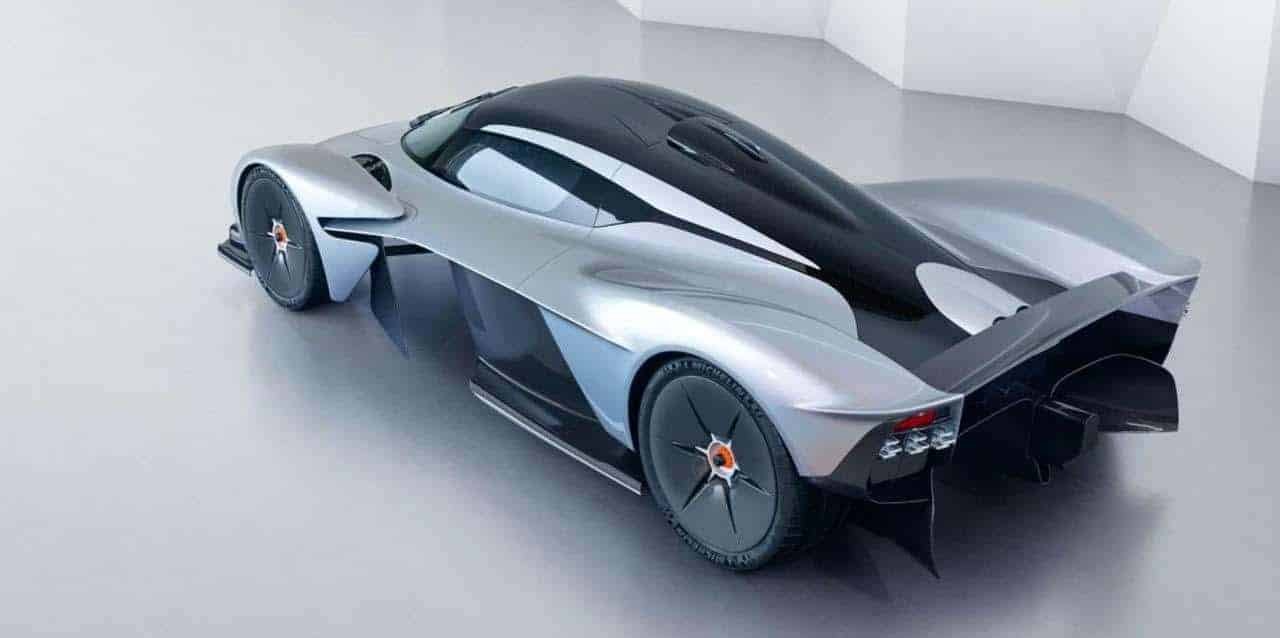
🏎️ The Aston Martin Valkyrie redefines what’s possible in automotive engineering – delivering race-car performance with street-legal status. This isn’t just another hypercar; it’s a technical masterpiece that brings Formula One technology directly to your driveway.
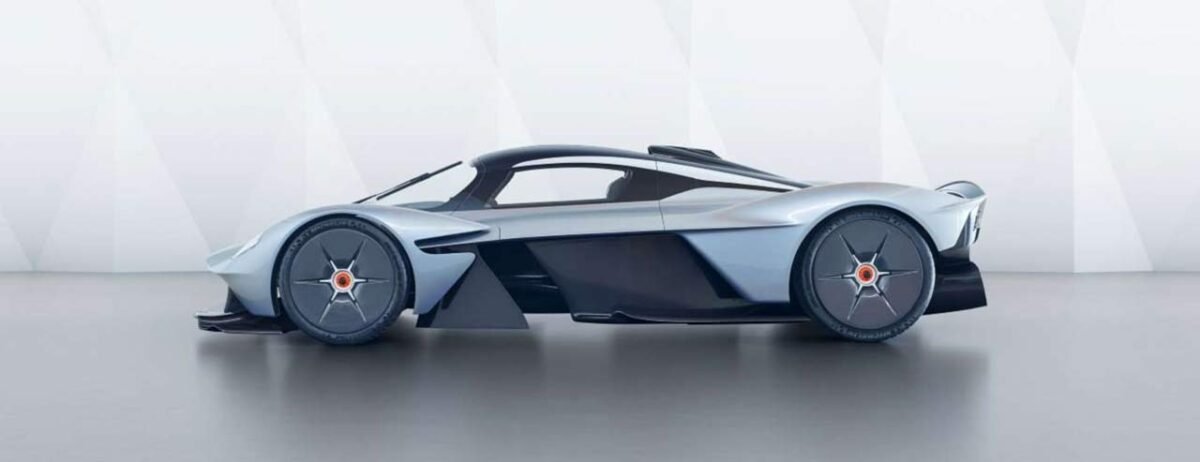
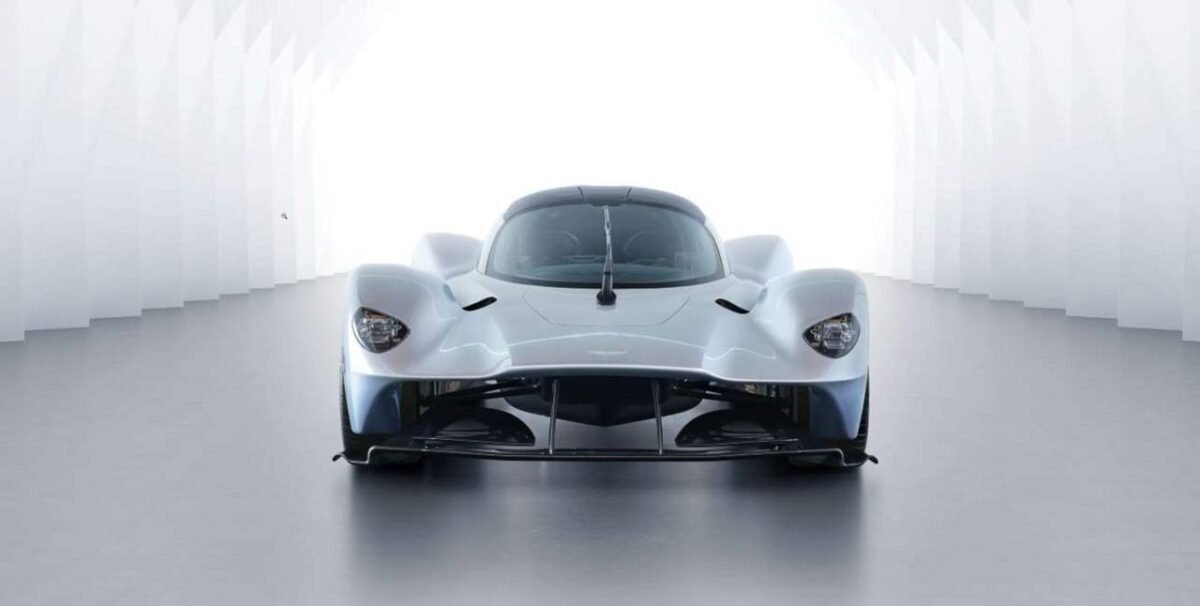
The Valkyrie represents the pinnacle of automotive achievement, combining Adrian Newey’s F1 genius with Aston Martin’s luxury craftsmanship. More than just an artistic statement, the exterior design is said to be capable of producing a claimed 2400 pounds of downforce at speeds of 135 mph and up—handy, considering the top speed is an electronically limited 220 mph.
🚀 Performance That Defies Physics
The heart of this beast is a 6.5-liter Cosworth V12 engine that produces 1,000 horsepower on its own, complemented by a hybrid system that brings total output to 1,160 horsepower and 664 lb-ft of torque. This will make it the most powerful naturally-aspirated engine ever to be fitted to a production road car. The engine screams to an incredible 11,100 rpm redline, creating a symphony that’s pure automotive poetry.
Engineering Excellence Beyond Comparison
What sets the Valkyrie apart isn’t just raw power—it’s the obsessive attention to detail. So much titanium was used by the program that Britain’s Ministry of Defense contacted Aston to inquire what it was up to, as purchase orders for the Valkyrie had spiked global prices. Every component has been scrutinized for weight reduction and performance optimization.
⚡ Revolutionary Aerodynamics
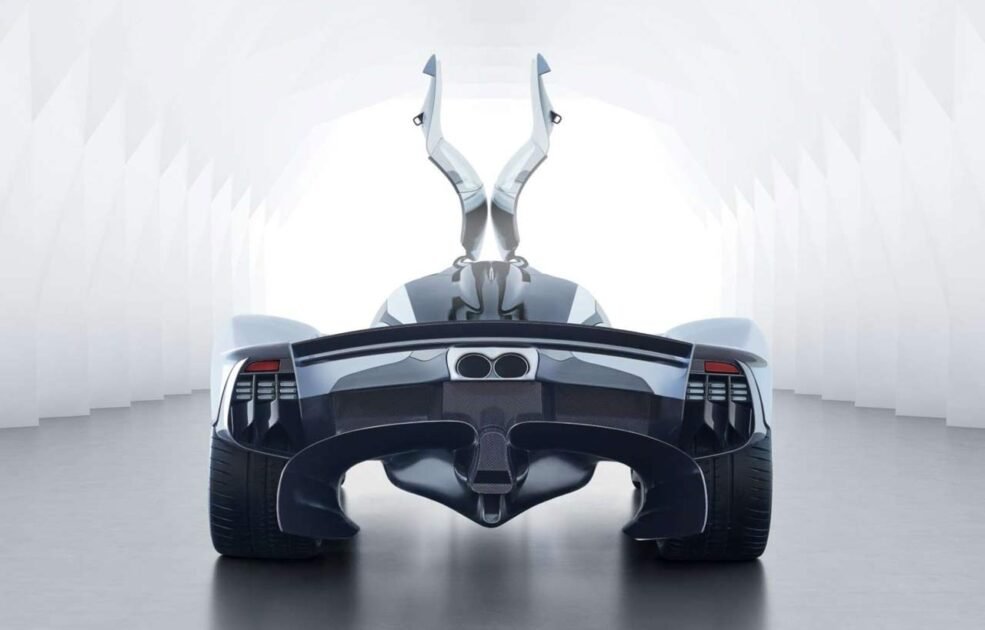
The Valkyrie generates 1,100 kg of downforce through ground-effect aerodynamics, allowing it to corner at speeds that would make lesser cars crumble. Instead of pulling a tall wing through dense air, the Valkyrie allows air in under the front and then thins it in those huge spaces. This innovative approach creates massive downforce with minimal drag.
Interior: Pure Racing DNA
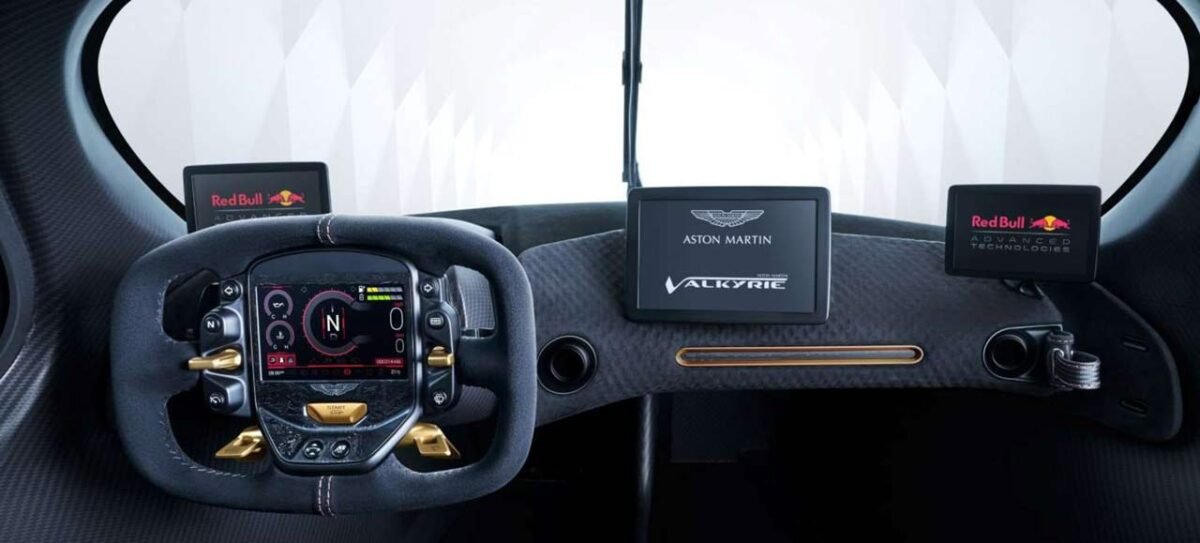
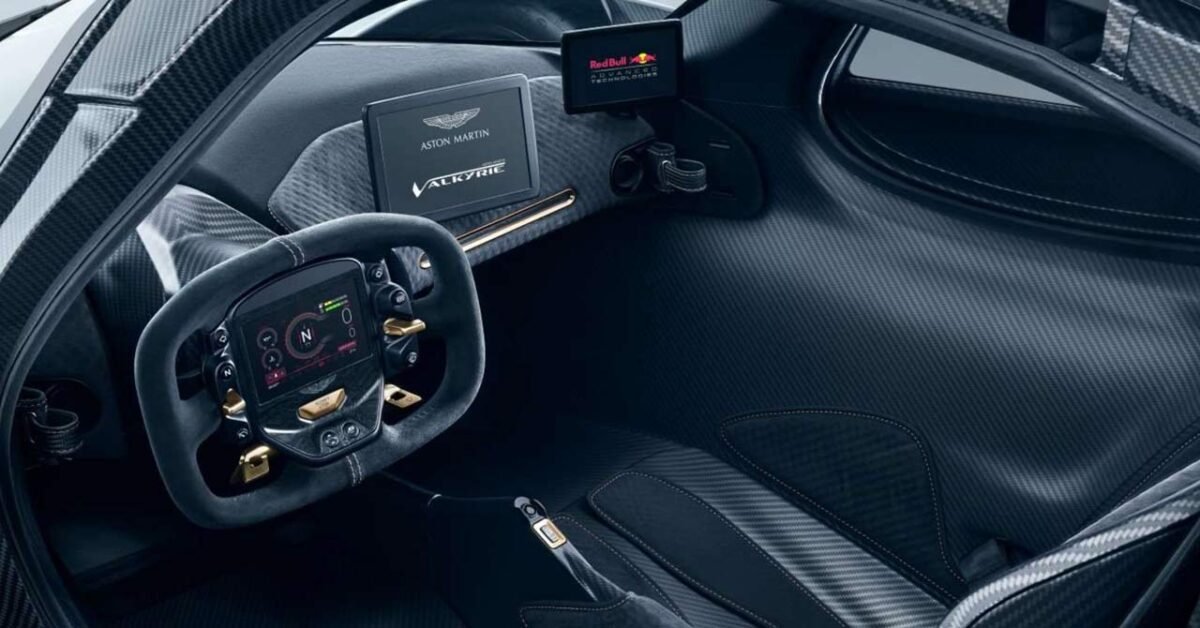
Step inside the Valkyrie, and you’re transported into a Formula One cockpit. The seating position is race-car authentic, with both occupants sitting in a reclined, feet-up position. The winged doors of the teardrop-shaped cockpit close tightly around you, and passengers prone to claustrophobia—even petite ones—may feel confined.
🎯 Track-Focused Features:
- Detachable F1-style steering wheel for easier entry/exit
- Active suspension system with thousands of calculations per second
- Camera-based mirror system for improved aerodynamics
- Rally-style intercom headsets (yes, it’s that loud!)
The Hybrid System That Changes Everything
The Valkyrie’s hybrid system isn’t just about efficiency—it’s about instantaneous performance. The hybrid’s e-motor adds mechanical performance to the gearbox, which helps boost overall power. This KERS-style system delivers immediate torque fill between gear changes, ensuring seamless acceleration.
⚙️ Technical Specifications:
- Weight: 2,271 lbs (1,030 kg)
- Power-to-weight ratio: Near 1:1 (840 hp per ton)
- 0-60 mph: 2.5 seconds
- Top speed: 220 mph (electronically limited)
- Production: Limited to 150 units worldwide
The Valkyrie Experience: Beyond Driving
The vaunted 60-mph sprint is completed in a claimed 2.5 seconds, but that number doesn’t remotely convey the pure ferocity of this car. Professional drivers describe the experience as “the most extreme vehicle ever driven” and “exotic and vastly exciting”.
🏆 Record-Breaking Performance:
- Silverstone lap record: 1:56.42 (production car record)
- 10+ seconds faster than any other road-legal production car
- Faster than GT3 race cars on many circuits
For those interested in understanding the engineering behind modern performance vehicles, learning about BMW vs Mercedes reliability provides insight into luxury automotive engineering. The comparison shows how German engineering approaches differ from British hypercar philosophy.
The Future of Hypercars
The Valkyrie isn’t just a car—it’s a statement about what’s possible when engineering constraints are removed. Near identical to the race car currently competing in WEC and IMSA, with only minimal differentiation, the Valkyrie LM embodies the pinnacle of motorsport engineering.
🎯 What This Means for Enthusiasts:
- Technology trickle-down to mainstream vehicles
- New standards for hypercar performance
- Proof that naturally aspirated engines still have a place in modern automotive
Understanding proper brake system maintenance becomes crucial when dealing with high-performance vehicles. The Valkyrie’s extreme performance demands equally extreme braking systems.
Investment Perspective
At $3.5-4 million, the Valkyrie represents more than transportation—it’s a collector’s investment. With production limited to just 150 units, each commanding a price tag of at least $3.5 million, the Aston Martin Valkyrie stands as a testament to automotive excellence and exclusivity in its purest form.
For those working on their own performance projects, proper vehicle maintenance procedures ensure safety and longevity. The Valkyrie’s extreme engineering demands perfection in every detail.
The Verdict: Pure Automotive Art
The Aston Martin Valkyrie represents the ultimate fusion of art and engineering. The 1,139-hp Valkyrie is as uncompromised and extreme as the automobile is likely to ever get. It’s not just a car—it’s a rolling testament to human engineering capability.
💎 Why the Valkyrie Matters:
- Pushes automotive boundaries beyond traditional limits
- Demonstrates what’s possible with unlimited engineering budgets
- Preserves naturally aspirated V12 technology for future generations
- Creates new benchmarks for hypercar performance
🎬 See the Valkyrie in Action: Watch Chris Harris push the Valkyrie to its limits at the Bahrain F1 circuit: Top Gear’s Aston Martin Valkyrie Review
The Valkyrie isn’t just about the destination—it’s about the journey of pushing automotive engineering to its absolute limits. In a world of increasingly sanitized supercars, the Valkyrie stands as a brutal reminder of what pure performance feels like.
The Aston Martin Valkyrie represents the pinnacle of automotive achievement, combining F1 technology with street-legal functionality. While only 150 will ever be built, its influence on automotive engineering will be felt for generations to come.
Related Posts
- The Complete Guide to Getting the Best Deal on a Used Car
- Ceramic Wax for Cars: The Ultimate Protection That Lasts 4X Longer Than Traditional Wax
- McLaren 600LT: Track-Bred Supercar Excellence
- Car Scratch Repair Methods: Professional vs Home Remedies
- 2019 Morgan Plus 4 110 Anniversary Model: Timeless British Engineering Redefined