
Understanding the Battle Between Premium Automotive Power Sources
When choosing between Optima batteries and AGM battery technology, you’re comparing two of the most advanced automotive power solutions available. Both offer superior performance over traditional flooded batteries, but understanding their distinct advantages will help you make the right investment for your vehicle’s specific needs. 🚗
The automotive battery landscape has evolved dramatically, with absorbed glass mat technology and Optima’s innovative SpiralCell design leading the charge. While both battery types deliver exceptional cold cranking amps and extended service life, each excels in different applications and driving conditions.
Modern vehicles demand more from their power sources than ever before. Whether you’re powering high-performance audio systems, navigating extreme weather conditions, or requiring deep cycle battery capabilities, the choice between these premium automotive batteries impacts everything from reliability to long-term maintenance costs.
Understanding the fundamental differences between Optima battery construction and AGM battery technology begins with their internal architecture. Battery technology has advanced significantly, making these comparisons more relevant than ever for today’s vehicle owners.
What Makes AGM Battery Technology Superior?
AGM batteries represent a revolutionary approach to automotive power storage. The absorbed glass mat construction places ultra-fine fiberglass matting between lead plates, achieving 95% acid saturation while maintaining complete spill-proof operation.
This maintenance-free battery design eliminates the need for regular electrolyte checks and provides superior vibration resistance compared to traditional flooded batteries. AGM technology excels in applications requiring consistent power delivery and extended battery life expectancy.
AGM Battery Construction Advantages
Absorbed glass mat batteries utilize compressed fiberglass separators that prevent acid stratification and enable faster charging cycles. This construction method creates low internal resistance, resulting in more efficient power transfer and reduced charging times.
The sealed design of AGM automotive batteries makes them ideal for modern vehicle placement requirements. Unlike traditional batteries, AGM units can be mounted in various positions without leakage concerns, supporting automotive manufacturers’ space-saving initiatives.
Deep cycle AGM batteries provide exceptional reserve capacity, making them perfect for vehicles with high electrical demands. Their ability to handle repeated discharge and recharge cycles without degradation sets them apart from conventional battery technologies.
ODYSSEY Extreme Series AGM Battery
The ODYSSEY Extreme Series represents premium AGM battery performance with exceptional longevity and power delivery. This high-performance automotive battery delivers up to 400 cycles at 80% depth of discharge, significantly outperforming standard automotive batteries.

18/06/2026 8:27 am
Key Features:
- 850+ cold cranking amps for reliable starting power
- 140+ minute reserve capacity for extended operation
- Vibration resistance exceeding industry standards
- 3-10 year service life depending on application
- Operating temperature range from -40°F to 176°F
Best for: Vehicles with high electrical demands, extreme weather conditions, and applications requiring maximum reliability.
Known limitations: Higher initial cost compared to standard batteries, requires proper charging voltage to prevent damage.
One verified buyer noted: “After three winters in Minnesota, this battery still cranks my truck like new. The investment paid off during last winter’s polar vortex when neighbors’ batteries failed.”
Optima Battery Innovation and SpiralCell Technology
Optima batteries revolutionized automotive power with their distinctive SpiralCell design, replacing traditional flat plates with tightly wound lead spirals. This proprietary battery construction creates superior vibration resistance and consistent power delivery.
The SpiralCell technology eliminates many common battery failure modes by preventing active material shedding and maintaining optimal electrolyte contact. Optima battery performance excels in applications requiring quick energy bursts and reliable starting power.
Each Optima battery model serves specific automotive needs, from the RedTop starting battery for conventional vehicles to the YellowTop dual-purpose battery for high-demand applications. This specialized approach allows vehicle owners to match battery characteristics with their specific requirements.
Understanding how long Optima batteries last helps evaluate their long-term value proposition compared to traditional and AGM alternatives.
Optima RedTop vs YellowTop Applications
Optima RedTop batteries focus on delivering maximum starting power for conventional automotive applications. Their high cold cranking amp rating ensures reliable engine starts in extreme weather conditions while maintaining compact dimensions.
YellowTop batteries combine starting and deep cycle capabilities, making them ideal for vehicles with extensive electrical accessories. Their dual-purpose design handles both engine starting demands and sustained power requirements for accessories.
BlueTop marine batteries extend Optima’s technology to watercraft applications, providing corrosion resistance and reliable power in harsh marine environments. Their sealed construction prevents acid spills and maintains performance in challenging conditions.
Optima YellowTop D34/78 Battery
The Optima YellowTop D34/78 represents the pinnacle of dual-purpose battery technology, combining exceptional starting power with deep-cycle capabilities. This premium automotive battery delivers consistent performance across diverse applications.

18/06/2026 8:27 am
Key Features:
- 750 cold cranking amps for reliable starting
- 120-minute reserve capacity for extended operation
- SpiralCell design for superior vibration resistance
- Maintenance-free operation with spill-proof construction
- Faster recharging compared to conventional batteries
Best for: Vehicles with high-power audio systems, commercial applications, and situations requiring both starting and deep-cycle performance.
Known limitations: Higher cost than conventional batteries, sensitive to overcharging conditions.
A professional installer commented: “I’ve installed hundreds of these in commercial vehicles. The combination of starting power and deep-cycle capability makes them perfect for work trucks with extensive equipment.”
Performance Comparison: Cold Cranking Power Analysis
Cold cranking amps represent the most critical specification for automotive battery performance in challenging conditions. AGM batteries typically deliver 700-900 CCA ratings, while Optima batteries range from 720-800 CCA depending on the model.
The cold weather battery performance difference becomes apparent during extreme temperature conditions. AGM technology maintains more consistent power delivery as temperatures drop, while Optima batteries excel in rapid power delivery for quick starts.
Reserve capacity measurements reveal significant differences between battery technologies. Premium AGM batteries often provide 140-200 minutes of reserve power, while Optima batteries typically range from 90-120 minutes depending on the specific model.
Temperature Performance and Reliability
Battery performance in extreme temperatures varies significantly between AGM and Optima technologies. AGM batteries maintain more consistent internal resistance across temperature ranges, providing predictable performance characteristics.
Optima battery cold weather performance relies on the SpiralCell design to maintain electrolyte contact during temperature fluctuations. This design advantage becomes particularly important in applications experiencing frequent temperature cycling.
Heat resistance considerations favor AGM battery construction due to better thermal management properties. The absorbed glass mat design dissipates heat more effectively, extending battery life in high-temperature environments.
Maintenance Requirements and Longevity Factors
Maintenance-free battery operation represents a significant advantage for both AGM and Optima technologies. Neither requires regular electrolyte level checks or terminal cleaning associated with traditional flooded batteries.
AGM battery longevity typically exceeds Optima battery lifespan in most applications, with quality AGM units providing 5-8 years of service compared to 3-5 years for Optima batteries. This difference impacts long-term ownership costs significantly.
Charging requirements differ between technologies, with AGM batteries being more tolerant of charging system variations. Optima batteries require more precise charging voltage control to prevent damage and ensure optimal performance.
Battery maintenance best practices apply to both technologies, including proper terminal connections, secure mounting, and avoiding deep discharge conditions whenever possible.
Charging System Compatibility
AGM battery charging requirements align well with most modern automotive charging systems. Their acceptance of various charging rates makes them compatible with standard alternators and charging equipment.
Optima battery charging specifications require more attention to voltage regulation and charging rates. Improper charging can significantly reduce battery life and performance, making system compatibility crucial.
Smart charging technology integration works effectively with both battery types, but AGM batteries generally provide more flexibility in charging system configurations and aftermarket modifications.
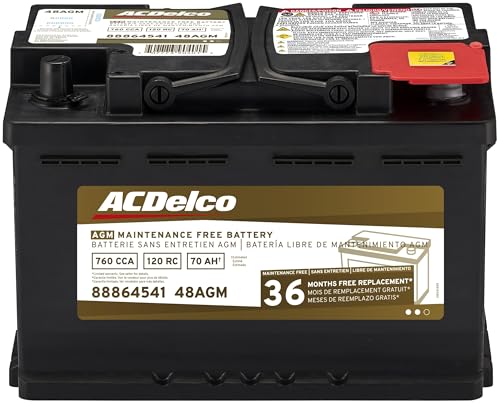
ACDelco Professional AGM Battery
The ACDelco Professional series represents OEM-quality AGM technology with extensive vehicle compatibility and proven reliability. This professional-grade automotive battery meets stringent automotive manufacturer specifications.
19/06/2026 8:52 am
Key Features:
- 760 cold cranking amps for dependable starting
- 120-minute reserve capacity rating
- Calcium-lead positive grid construction
- Enhanced life positive paste formulation
- Vent cap design for optimal pressure relief
Best for: GM vehicles, professional service applications, and drivers seeking OEM-equivalent replacement batteries.
Known limitations: Limited availability for some vehicle applications, higher cost than aftermarket alternatives.
A certified technician shared: “We’ve been using ACDelco Professional AGM batteries in our shop for fleet maintenance. The consistency and reliability match what we expect from OEM specifications.”
Cost Analysis and Value Proposition
Premium battery pricing reflects the advanced technology and performance benefits of both AGM and Optima solutions. AGM batteries typically cost 40-60% more than conventional batteries, while Optima batteries command similar premium pricing.
Long-term battery value calculations must consider replacement frequency, performance consistency, and maintenance costs. AGM batteries often provide better value through extended service life, while Optima batteries excel in specific high-performance applications.
Warranty coverage varies significantly between manufacturers and battery types. Premium AGM batteries often include 3-4 year warranties, while Optima batteries typically offer 3-year coverage with pro-rated replacement terms.
Application-Specific Cost Considerations
High-performance vehicle applications may justify Optima battery costs through superior power delivery and compact packaging. Commercial vehicle applications often favor AGM technology for extended service life and lower total cost of ownership.
Marine and RV applications benefit from the sealed construction and deep cycle capabilities of both technologies. AGM batteries typically provide better value for sustained power applications, while Optima batteries excel in space-constrained installations.
Emergency preparedness and backup power applications favor AGM technology due to longer shelf life and superior deep discharge recovery characteristics.
Installation and Mounting Considerations
Battery installation requirements differ significantly between AGM and Optima technologies. Both offer spill-proof construction enabling flexible mounting positions, but specific vehicle integration considerations vary.
Optima battery dimensions often allow installation in space-constrained locations due to their compact design. AGM batteries provide more size options but may require specific mounting orientations for optimal performance.
Electrical system integration requires attention to charging system compatibility and terminal connection specifications. Both battery types benefit from proper cable sizing and secure mounting to maximize performance and lonfespan.
Professional installation recommendations include system voltage testing, charging system evaluation, and proper disposal of replaced batteries. These considerations ensure optimal performance and environmental responsibility.
Final Verdict: Choosing Your Optimal Power Solution
The choice between Optima batteries and AGM battery technology depends on specific vehicle requirements, budget considerations, and performance priorities. AGM batteries excel in longevity and consistent power delivery, while Optima batteries provide superior power density and compact packaging.
High-performance applications with space constraints often favor Optima technology, while commercial and high-mileage vehicles benefit from AGM battery reliability and extended service life. Both technologies represent significant improvements over conventional flooded batteries.
Consider your vehicle’s electrical demands, climate conditions, and replacement frequency when making this investment. Premium automotive batteries require proper charging system compatibility and installation practices to deliver their full potential.
For most drivers seeking maximum reliability and longevity, AGM battery technology provides superior value through extended service life and consistent performance. Optima batteries excel in specific applications requiring compact size and maximum power density. 🔋
Related Posts
- Deep Cycle vs Regular Battery: Which One Powers Your Ride Best? 🔋
- Best 12V Battery Chargers for Motorhomes
- Can a Car Battery Recharge Itself? The Complete Truth About Battery Charging
- Why Your Motorcycle Battery Dies After 2 Weeks: 5 Critical Problems to Check
- The Complete Guide to Memory Savers: Preventing Radio Code Lockouts During Battery Service