
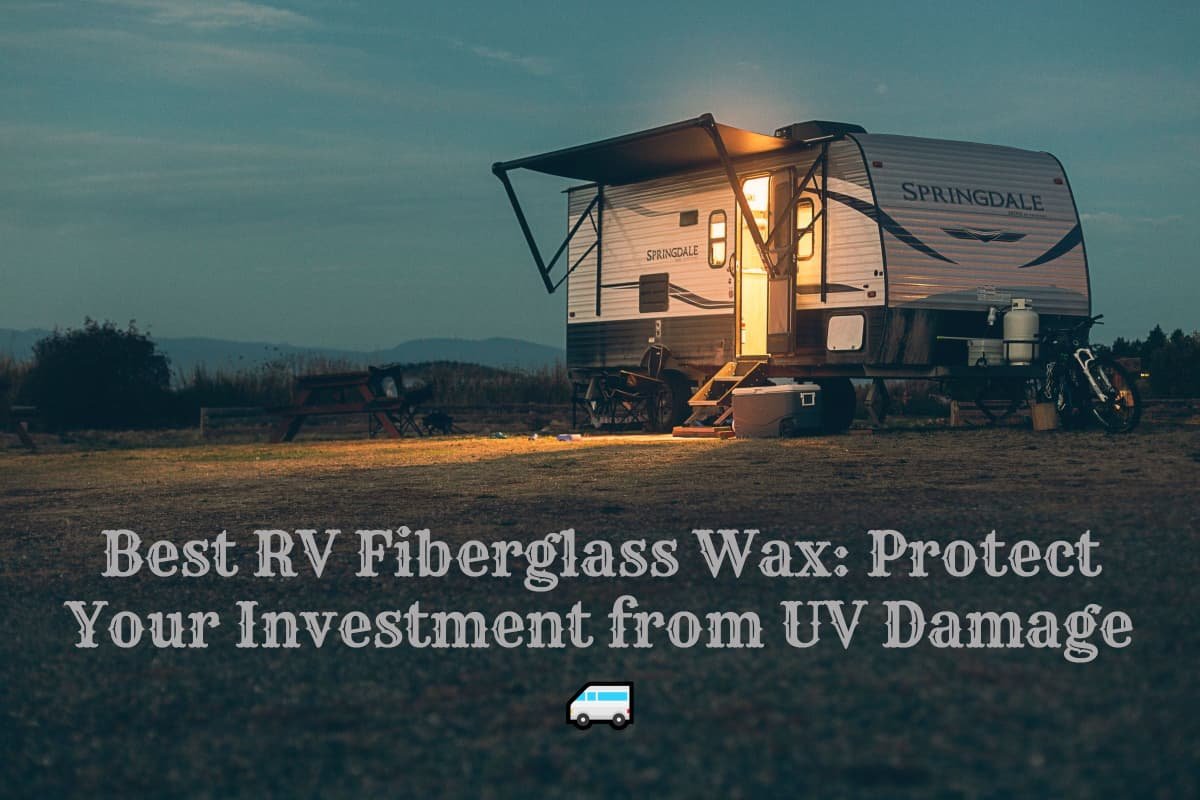
Stop Oxidation Before It Ruins Your RV’s Gel Coat
RV fiberglass oxidizes fast without proper wax protection. UV rays, road salt, and weather extremes cause permanent chalking and fading that costs thousands to restore. The right wax creates a barrier that prevents this damage while maintaining your RV’s value.
Your RV’s fiberglass needs specialized care. Unlike car paint, gel coat surfaces are porous and vulnerable to oxidation. Once oxidation sets in, it’s expensive to fix. Prevention through regular waxing costs under $100 annually versus $3,000+ for professional restoration.
Why RV Fiberglass Requires Special Wax
Gel coat chemistry differs from automotive paint. It’s thicker but more porous, making it susceptible to UV penetration and oxidation. Standard car wax often contains abrasives that can scratch gel coat surfaces.
Size matters – RVs have massive surface areas that require products designed for large applications. Marine-grade waxes work best because boats face similar environmental challenges.
Temperature extremes from desert heat to mountain cold stress fiberglass differently than cars. RV wax must handle wider temperature ranges and longer exposure periods.
Top 3 Premium RV Wax Products
Meguiar’s M6332 Flagship Premium Marine Wax
Professional marine wax that removes light oxidation while protecting against UV damage. Originally designed for boats, it excels on RV fiberglass due to harsh-environment formulation.

20/06/2026 6:53 am
Key Features:
- Removes light oxidation in one step
- 6-month protection duration
- Safe for gel coat and decals
- 32-oz size covers large RVs
- Hand or machine application
Best for: RVs with moderate oxidation needing restoration and protection combined.
Limitations: Heavy oxidation requires pre-treatment with compound.
User Review: “Used this on my 35-footer for three seasons. Still looks showroom new and I only wax twice yearly.” – Verified Amazon buyer
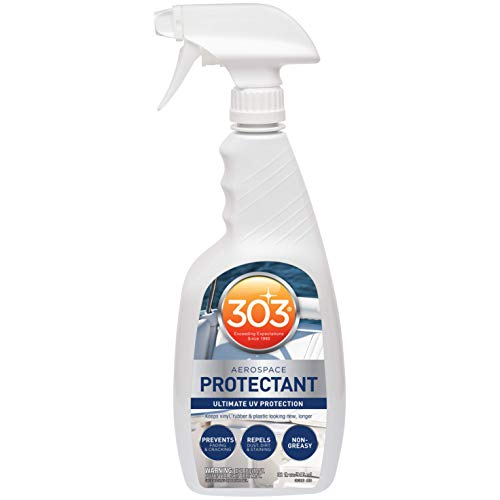
303 Aerospace Protectant
Multi-surface UV protectant that works on fiberglass, vinyl, plastic, and rubber. NASA-developed formula provides superior UV blocking without creating slippery surfaces.
20/06/2026 6:53 am
Key Features:
- Works on all RV exterior materials
- Non-toxic, eco-friendly formula
- Anti-static properties repel dirt
- Spray application for easy coverage
- Matte finish prevents slip hazards
Best for: RV owners wanting one product for entire exterior.
Limitations: Requires more frequent reapplication than traditional wax.
User Review: “This stuff works on everything – awnings, seals, fiberglass. Makes cleaning much easier and lasts through harsh weather.” – Long-term RV user
Chemical Guys HydroSlick SiO2 Ceramic Coating
Advanced ceramic coating that bonds to gel coat for extended protection. Semi-permanent formula provides up to 2 years of protection with proper application.

19/06/2026 11:00 pm
Key Features:
- 2-year protection duration
- Extreme hydrophobic properties
- Chemical and temperature resistant
- Enhanced gloss depth
- Professional-grade durability
Best for: Serious RV enthusiasts wanting maximum long-term protection.
Limitations: Requires meticulous prep work and careful application.
User Review: “Initial prep was intensive but results are incredible. RV stays cleaner longer and the shine is amazing.” – Professional detailer
Application Process
Preparation
- Wash thoroughly with RV soap to remove all contaminants
- Assess oxidation – chalky areas need compound before wax
- Work in shade with surface temperature below 80°F
- Clay bar if needed to remove embedded contaminants
Application
- Apply thin coats in 2×2 foot sections
- Use circular motions for even coverage
- Follow cure times per manufacturer instructions
- Buff with clean microfiber cloths
- Inspect for missed spots before moving to next section
Maintenance Schedule
- Light use/covered storage: Once yearly
- Heavy use/outdoor storage: Twice yearly
- Harsh climates: Every 4-6 months
Fixing Common Problems
Oxidation Levels
- Light: Dull appearance, responds to cleaner wax
- Moderate: White chalky residue, needs compound then wax
- Heavy: Rough texture, requires professional restoration
Application Issues
- Streaking: Over-application or wrong temperature
- Poor adhesion: Contaminated surface or inadequate prep
- Short durability: Applied over oxidation or contamination
For challenging areas around decals, check our guide on proper wax application for RV decals to avoid damage.
Mixed Material RVs
Many RVs combine fiberglass with aluminum siding. If yours has both materials, our specialized guide on RV wax for aluminum siding covers products that work effectively on both surfaces.
When Ceramic Coatings Fail
Ceramic coatings offer superior protection but can go wrong during application. If you encounter issues with ceramic coating application or need removal, our detailed guide on removing bad ceramic coating covers professional correction techniques.
Cost Analysis
DIY Costs
- Premium wax: $30-80 per bottle
- Application tools: $50-100 one-time
- Annual cost: $50-150 including supplies
Professional Service
- Full RV wax: $300-800 depending on size
- Annual cost: $600-1,600 for twice-yearly service
Restoration Costs
- Light oxidation removal: $500-1,200
- Heavy oxidation restoration: $2,000-5,000
- Full gel coat replacement: $8,000-15,000
Product Selection Guide
Choose marine wax if: Your RV has moderate oxidation and you want restoration plus protection.
Choose aerospace protectant if: You want one product for all exterior surfaces and prioritize ease of use.
Choose ceramic coating if: You’re willing to invest time in proper application for maximum long-term protection.
For comparison between different wax technologies, our analysis of ceramic wax versus traditional options provides insights applicable to RV care.
Bottom Line
Prevention beats restoration every time. A $50 bottle of quality wax applied twice yearly prevents thousands in restoration costs while maintaining your RV’s appearance and value.
Start with your current condition: Light oxidation responds to cleaner wax, moderate needs compound first, heavy requires professional help.
Match product to usage: Weekend warriors can use annual products, full-timers need more frequent protection.
The best wax is the one you’ll actually use consistently. Choose based on your skill level, budget, and maintenance schedule for long-term success. 🎯
For additional product testing and comparisons, see The Drive’s RV wax testing results for independent analysis.