
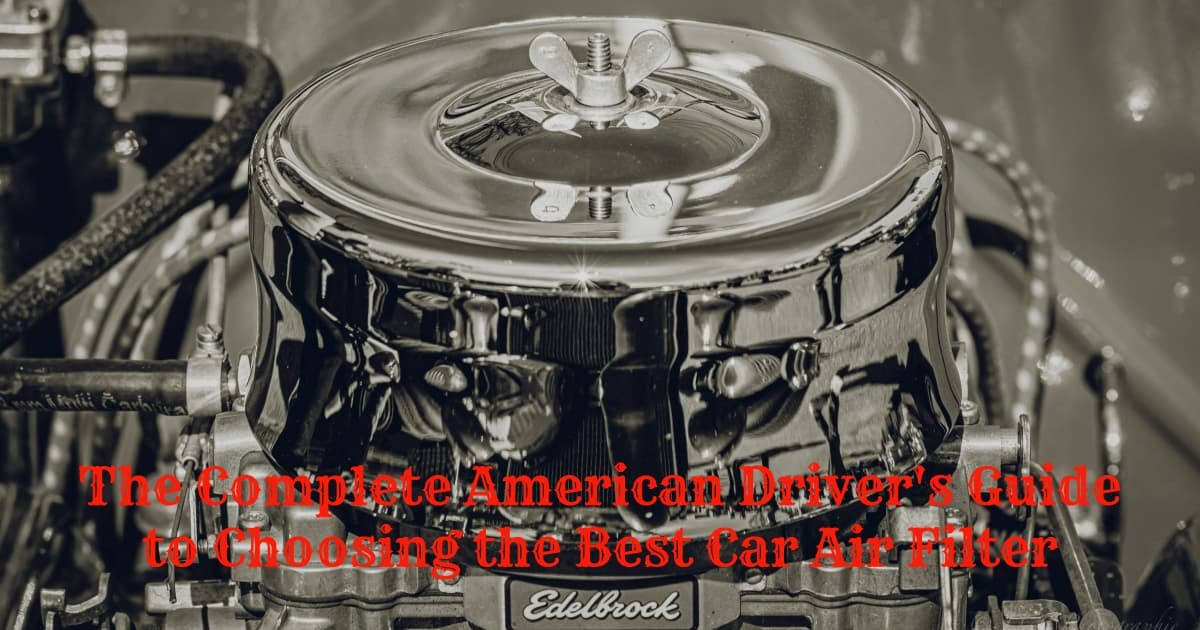
How to Select the Right Air Filter for Diesel and Petrol Engines
Your car’s engine is literally gasping for breath right now. Every minute, it’s sucking in thousands of gallons of air mixed with dust, pollen, dirt, and microscopic debris that could slowly choke the life out of your engine’s performance. The only thing standing between your engine and this invisible assault is a simple but crucial component most drivers completely ignore until it’s too late – your air filter.
Think of your car’s air filter as the lungs of your vehicle. Just like you wouldn’t want to breathe through a dirty cloth, your engine shouldn’t have to work with a clogged, inefficient filter. Whether you’re driving a diesel truck through construction zones or a petrol sedan through city traffic, choosing the right air filter can mean the difference between optimal performance and costly engine problems down the road.
Understanding Air Filter Basics
Car air filters serve one primary function: they clean the air entering your engine’s combustion chambers. Clean air is essential for proper fuel combustion, which directly affects your vehicle’s power output, fuel efficiency, and emissions. A quality air filter removes 99% of airborne contaminants while maintaining optimal airflow to your engine.
The standard recommendation is to replace your air filter every 12,000 to 20,000 miles, but this can vary significantly based on your driving conditions. If you frequently drive on dusty roads, through construction zones, or in heavily polluted urban areas, you may need to replace your filter more often.
Diesel vs. Petrol Engine Considerations
Diesel Engines: Diesel engines typically require more robust filtration due to their higher compression ratios and longer service intervals. They also generate more soot and operate in more demanding conditions, especially in commercial vehicles. Diesel engines benefit from filters that provide excellent particulate filtration while maintaining consistent airflow over extended periods.
Petrol Engines: Petrol engines generally operate at higher RPMs and require steady airflow for optimal performance. They’re more sensitive to airflow restrictions, making the balance between filtration efficiency and air permeability crucial. Performance-oriented petrol engines may benefit from high-flow filters that prioritize airflow over maximum filtration.
Types of Air Filters Available
Paper Filters
The most common and affordable option, paper filters use pleated paper media to trap contaminants. They’re disposable, effective at filtration, and work well for most standard driving conditions. Brands like FRAM, ACDelco, and Bosch offer reliable paper filter options.
Cotton Gauze Filters
Premium reusable filters made from cotton gauze treated with oil. These filters, like those from K&N, offer superior airflow and can be cleaned and reused multiple times. They’re ideal for performance applications but require regular maintenance.
Synthetic Filters
Advanced synthetic materials provide excellent filtration efficiency while maintaining good airflow. These filters often last longer than paper alternatives and work well in extreme conditions.
Factors to Consider When Choosing
Driving Conditions:
- City driving with stop-and-go traffic
- Highway driving at consistent speeds
- Dusty or construction-heavy routes
- Climate considerations (humid vs. dry conditions)
Vehicle Usage:
- Daily commuting vs. performance driving
- Towing or heavy-load applications
- Modified engines with increased airflow needs
Maintenance Preferences:
- Disposable convenience vs. reusable sustainability
- Budget for regular replacements vs. higher upfront cost
- DIY maintenance capability
Performance Goals:
- Maximum engine protection vs. peak performance
- Fuel economy optimization
- Emissions compliance requirements
Installation and Maintenance Tips
Replacing an air filter is typically a straightforward DIY job that takes 10-15 minutes. Most air filter housings are secured with clips or screws and can be accessed without tools. Always check your owner’s manual for the specific location and replacement procedure for your vehicle.
When installing a new filter, ensure it’s properly seated in the housing with no gaps around the edges. A poorly fitted filter can allow unfiltered air to bypass the filtration system entirely, potentially causing engine damage.
For reusable filters, follow the manufacturer’s cleaning instructions carefully. Over-oiling can actually reduce filtration efficiency and potentially damage sensitive engine sensors.
Cost Considerations
Air filters range from $10 for basic paper filters to over $50 for premium reusable options. While the initial cost difference seems significant, reusable filters can be more economical over time if properly maintained. Consider the total cost of ownership, including replacement frequency and maintenance requirements.
Budget brands like Bosch and ECOGARD offer good value for standard applications, with ECOGARD filters available for less than $10 for many vehicles while working just as well as more expensive filters. Recent 2024 testing shows that AC Delco standard replacement filters were superior to performance air filters in all aspects except initial flow, with very minimal restriction differences.
Signs You Need a New Air Filter
- Reduced fuel economy
- Sluggish acceleration or reduced power
- Black smoke from exhaust (diesel engines)
- Unusual engine sounds during acceleration
- Check engine light activation
- Visibly dirty or damaged filter during inspection
Environmental Impact
Choosing the right air filter also affects environmental impact. Reusable filters reduce waste but require chemical cleaning solutions. Disposable filters create more waste but don’t require harsh cleaning chemicals. Consider your environmental priorities when making your selection.
Why These Are the Top 3 Air Filter Choices for American Drivers in 2025:
AC Delco Standard Replacement Filters
- Latest Test Winner: Recent September 2024 flow bench testing showed AC Delco was superior to performance filters in all aspects
- Optimal Restriction: Minimal airflow restriction while maintaining excellent filtration efficiency
- OEM Quality: General Motors subsidiary providing OEM-grade filtration at competitive prices
- Proven Reliability: Consistently outperforms more expensive performance alternatives in independent testing

19/06/2026 10:23 am
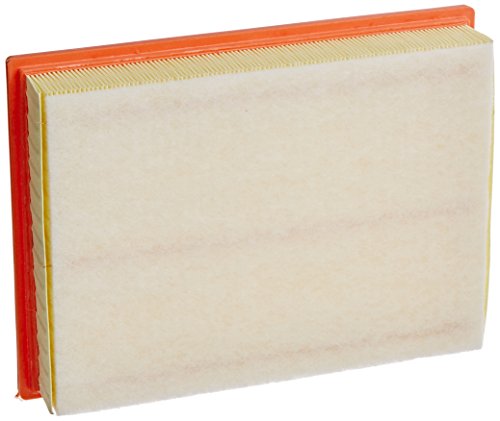
WIX Premium Filters
- Independent Test Champion: Consistently ranked as a winner alongside Purolator in recent comparative testing
- Advanced Engineering: Multi-stage filtration technology with synthetic media construction
- Professional Grade: Trusted by mechanics and automotive professionals nationwide
- Excellent Longevity: Superior particle holding capacity extends replacement intervals
19/06/2026 10:23 am
Purolator PurolatorONE Filters
- Test-Proven Performance: Recent independent testing confirms excellent filtration efficiency curves
- Balanced Design: Optimal combination of airflow and contaminant capture without compromise
- Wide Availability: Extensive distribution network across major auto parts retailers
- Value Engineering: Professional-grade performance at competitive pricing for everyday drivers

19/06/2026 10:23 am